

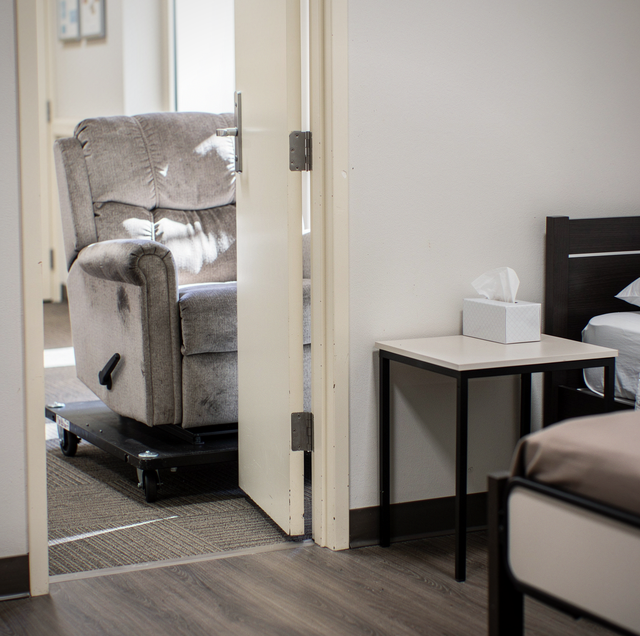
The recliner comes through the door of room 9 tipped back on a moving dolly, its armrests worn smooth from years in someone's living room. Behind it, a daughter carries two garment bags over one arm and looks around for the closet. For the staff member holding the door, a quiet question sits in the back of the mind that nobody wants to ask out loud: could a chair this old, or anything in those bags, bring bed bugs into the building? It can. So can a visitor's coat or a staff member's tote. Move-in day matters because it sends a whole household's upholstered furniture and clothing through one doorway in a single afternoon, and the people best placed to notice a problem early are the ones standing in that doorway.
How Bed Bugs Reach Any Building Where People Sleep
Bed bugs travel on people and on the things people carry: clothing, bags, bedding and furniture. Any building where people sleep provides them with what they need: a person who stays in one place for hours, within easy reach of a hiding spot. A care home offers that in every room, and residents, staff and visitors come and go from it all day.
A bed bug spends the hours after a meal in whatever crack, seam or fold sits nearest a sleeping or seated person. That habit determines which belongings pose the greatest risk on move-in day. A box of kitchen things that sat on a shelf across the house carries less of it. A mattress, a box spring, an upholstered chair someone sat in every evening, or a headboard that stood against a bedroom wall for years offers the kind of gaps a bed bug looks for.
None of this makes a move-in the only way in. A new resident's things are one route among several, and a building can pick up bed bugs on a day when nobody moved in at all.
What a Resident's Own Furniture and Bags Can Carry
Furniture brought from home has spent years beside one person's bed or favorite seat. If bed bugs were living in that home, the pieces closest to where the person slept and sat are where they would be found. On an upholstered recliner, that is the seams along the arms and back and the spaces between the cushions. On a mattress or box spring, it is the piping that runs around the edge, the seams, and the tags. On a bed frame or headboard, the cracks are in the joints and in the back panel that faces the wall.
Garment bags and suitcases carry a different kind of risk. Clothes that hung in an infested closet, or a suitcase that sat on the floor of an infested bedroom, can hold a bug or two in a fold or along a zipper track. A handful of insects tucked into fabric is easy to miss, and it travels just as easily as a whole chair does.
Worn, upholstered pieces deserve the closest look. Hard, smooth pieces with few joints give bed bugs fewer places to settle, though they still pass through the same door on the same afternoon.
A move-in can just as easily carry nothing at all. A well-used recliner is a reason for a careful look, never evidence that the resident's previous home had a problem.
The Early Signs Trained Staff Watch For
Staff who know what bed bugs and their traces look like are the facility's first line of defense. John trains facility staff to recognize those early signs when a facility asks. The signs are small but specific: live bugs of different sizes, pale shed skins, pearl-white eggs, and small dark spots of droppings along seams and piping.
On move-in day, a pass with a good flashlight along the seams of a recliner or a mattress, as the piece comes off the dolly and before it is placed, can catch what is in plain view. That is general good sense, not a set procedure, and it has limits. It finds only what is visible, and nobody should take furniture apart to look further. A clean look at the door does not clear a piece for good.
The earliest sign in daily care shows up later, at the bedside. Bites and small blood spots on the sheets are what housekeeping and care staff see when they change a bed, so the first bed changes after a resident settles in deserve a closer eye on the sheets and the mattress seams. Bites alone cannot show that bed bugs are the cause, and any skin reaction a resident has is for a health care provider to look at.
The Moment a Sign Turns Up
A bug on a garment bag, or a line of dark spotting along a recliner seam, brings a strong urge to act: wheel the chair back out, bag everything, move the resident somewhere else. Each of those steps can spread the problem. Bed bugs ride along on whatever is moved, so a chair carried to a storage room or a loading dock takes its passengers with it, and a resident moved to another room can carry a few in clothing or bedding.
What helps is short: leave the chair, the bags, and the bed where they are, have whoever runs the facility call early in the day, and text John a close-up if the bug can be photographed. Stripping the bed waits for the prep.
No Verdict on the Family or the Home
A bug on a new resident's chair invites a story about whose fault it is, and that story helps nobody. Bed bugs are hitchhikers. Anyone can pick them up from travel, a houseguest, a neighboring unit, or a piece of used furniture, and having them says nothing about how clean a home was kept. The same holds for the facility: finding bed bugs is not a verdict on its housekeeping.
Plain language helps: staff find something that needs a look; the inspection will determine what it is; and the facility will let the family know how the job will run.
If bed bugs are confirmed, the answer does not single out a single recliner or a family's belongings. The treatment is applied by hand to the rooms, the furniture, and the baseboards in the plan worked out with the facility, leaves a residual that keeps killing every stage for several months, and includes a second visit about two weeks later, timed to the egg cycle. Residents sleep in their own beds that night. Furniture can be treated and kept, and all of it is treated as part of the job, so whether a well-loved recliner stays is the family's decision, not something a single sign settles.
Move-in day is one afternoon in a long stay. What protects the building over the years is the set of habits that follow the look at the door: staff who know the signs, sheets checked at every change, and a place where mentioning a spot on the mattress feels routine. A chair that came from home is part of what makes room 9 feel like a resident's own, and it can stay that way.
Frequently Asked Questions
Close to it. Bed bugs tend to live within about 8 feet of where a person sleeps, so a recliner set beside the bed in a resident's room sits inside that range, while a chair across a large lounge sits well outside it.
They can. A frame that hung near a bed for years had the same chance of picking up bugs as the bed did, so family photos and a favorite set of drapes are worth the same flashlight look along the back and the folds before they go up.
On fabric, a spot of droppings can bleed into the weave and spread beyond its own edge, so along a recliner seam it may appear as a soft, blurred smudge with no crisp edge.
Yes. A facility can ask John to come on a set schedule, with no prior sighting needed. It was raised on the call, and the dates have been arranged with whoever runs the building.
It can happen. A sweet, musty odor is one of the signs of bed bugs, though a smell alone proves nothing; inspection is what identifies its source.
First comes the finding for each room staff were worried about, along with how serious the problem is. The treatment plan, the prep, and the timing are then worked out with the facility.
Arrange a free inspection — if a sign turns up on a new resident's furniture or bags, John can look the room over and tell the facility what he finds. Bed Bugs Arizona serves Phoenix and towns across Arizona. Call 623-451-0541.