
Where Bed Bugs Hide: From the Mattress to the Picture Frames
- Where to look
- What can be saved
- Free in-home inspection
- Licensed & insured, AZ #8129
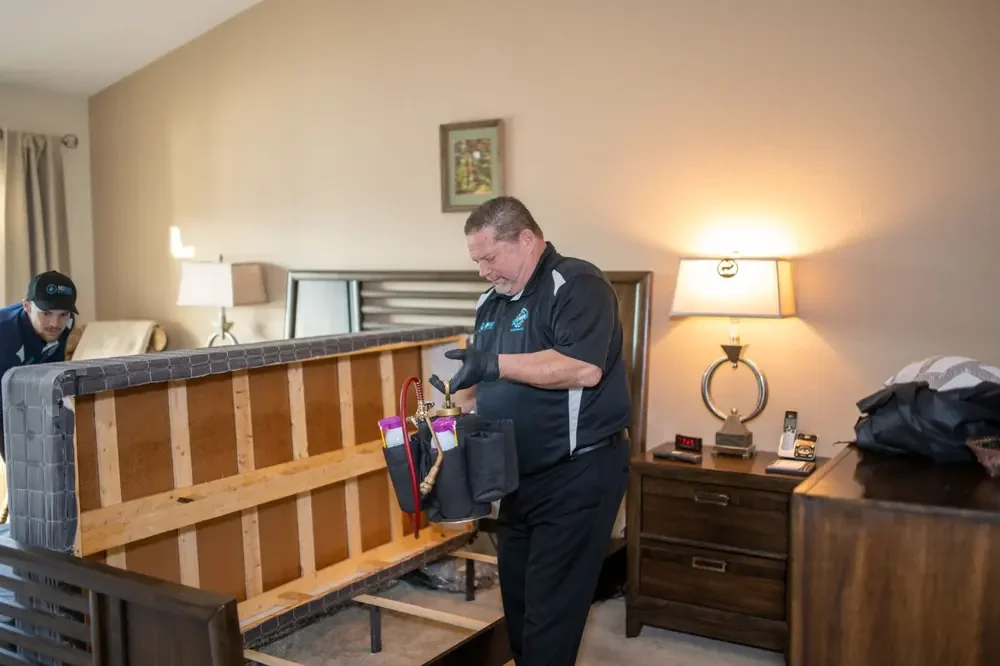
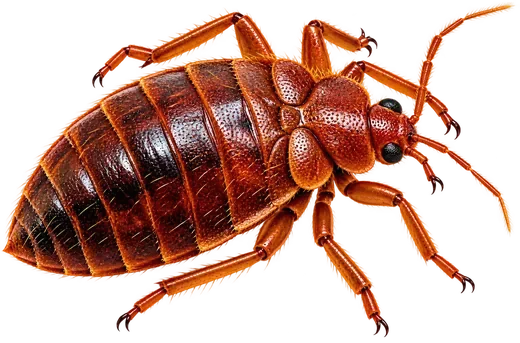
Bed bugs hide close to where people sleep and sit, in gaps about as thin as a credit card. This guide starts with the places people never think to check, where John Taylor finds bed bugs, then goes through the rest of the home.
- The spots people miss
- The places bed bugs hide first
- What changes when the problem is heavy
- Whether the furniture can be saved
Call 623-451-0541 for a free in-home inspection. Calls answered 7 days a week, 7 AM to 7 PM.
The spots people never think to check
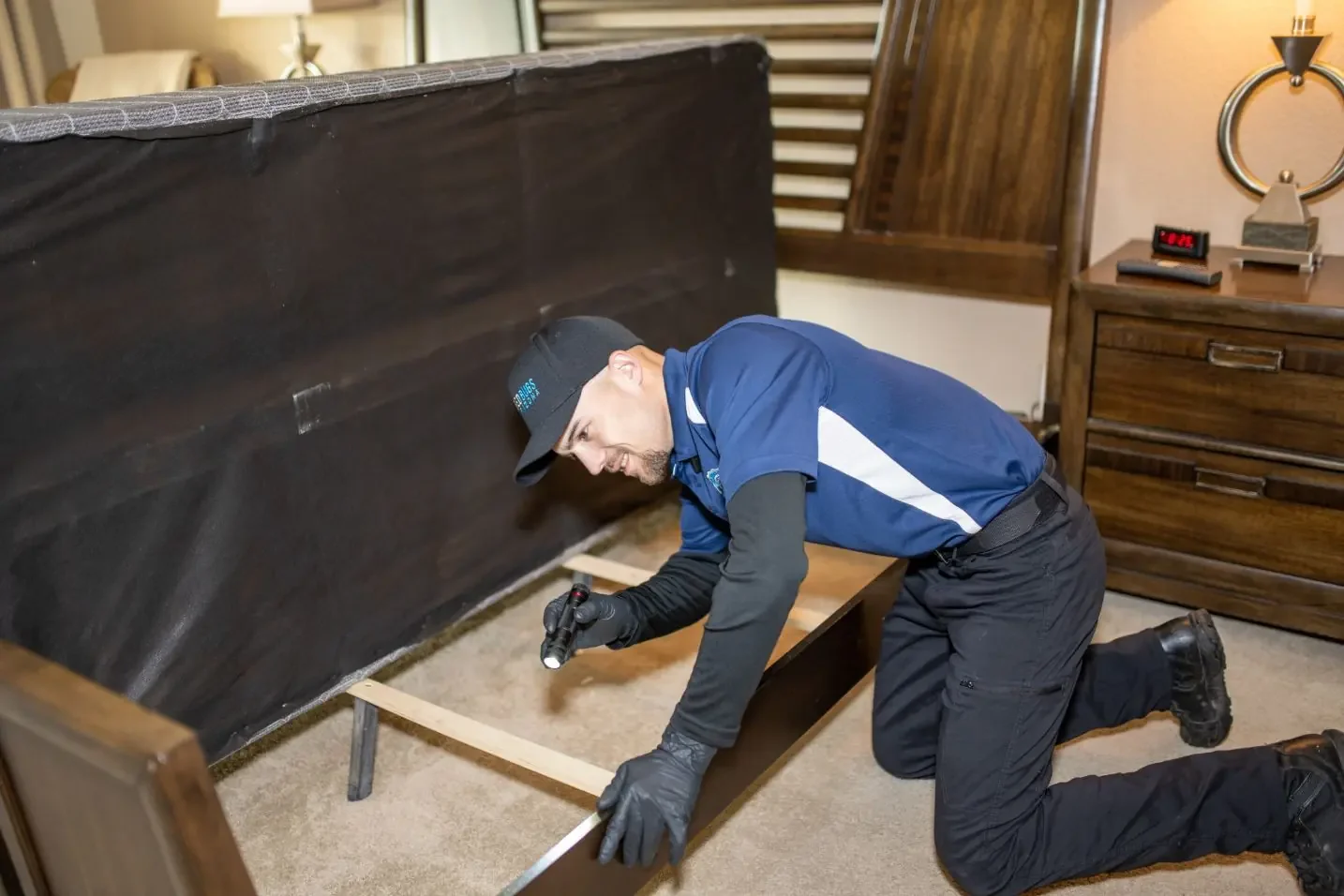
John regularly finds bed bugs in curtains, in box springs, on the backs of headboards, behind paneling, and behind picture frames.
All of them are easy to skip when you only look at the top of the mattress. Guidance from the U.S. Environmental Protection Agency (EPA) names some of the same places: in the folds of curtains and under wall hangings.
They start close to where you sleep and sit
When bed bugs are not feeding, they hide, and the bed comes first. The signs guide covers where to look on a bed, a couch, and a chair.
The Centers for Disease Control and Prevention (CDC) says bed bugs tend to live within 8 feet of where people sleep. The EPA offers a test: if a crack will hold a credit card, it could hide a bed bug.
Where bed bugs hide, place by place

When the problem is heavy
In a heavily infested room, bed bugs turn up farther from the bed. The EPA lists the line where the wall meets the ceiling, and even the head of a screw.
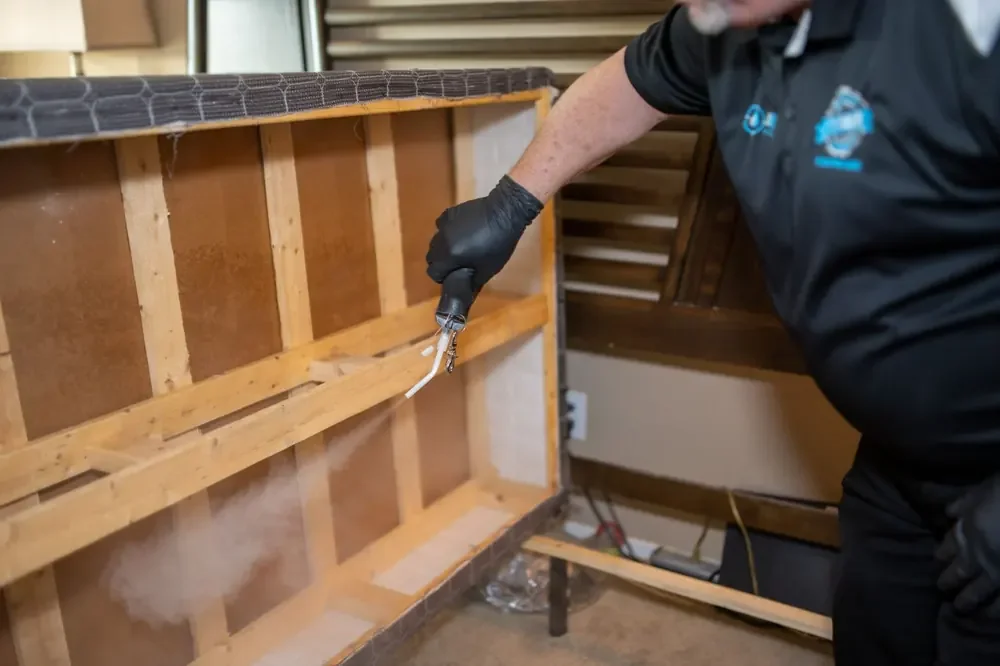
In heavy infestations, it is very common to find bed bugs in electronics. John treats the electronics with an aerosol product and a dust product, and neither damages them.
Why clutter matters
A cluttered home gives bed bugs more hiding places and makes them harder to find and to treat. That is the EPA's point, and clearing clutter from the rooms being treated is one of the prep steps John gives you. A clean, uncluttered home also takes less work to treat.
Can the furniture be saved?
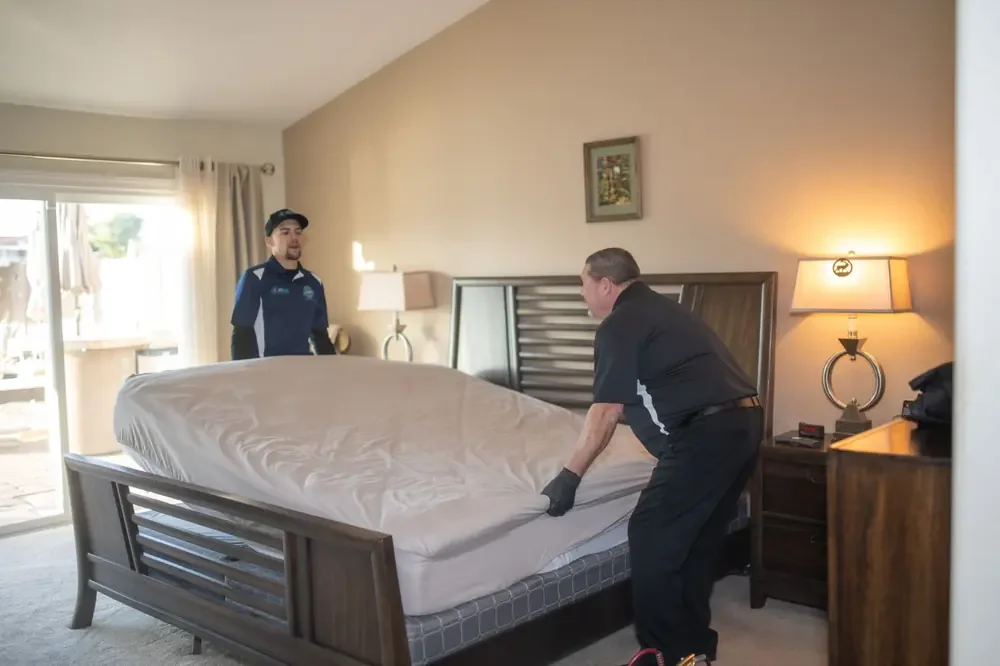
Most of the time, yes. Furniture can be treated and kept, and all of the furniture in the home is treated as part of the job. John would like to save you the cost of replacing it. The decision is yours.
If you do decide a piece has to go, the page on getting rid of bed bugs explains how to do it without spreading them.
Call 623-451-0541 for a free in-home inspection.
Do mattress encasements help?
John's answer is no. An encasement seals in the bed bugs that are already in the mattress, but it does not prevent bed bugs. They nest on the outside of the encasement, or on the bed frame and the box spring. As he puts it, the only thing an encasement is good for is making an ugly mattress look nice. Encasements are expensive, and he does not want you to spend the money.
So you know:
- We do not sell or recommend mattress encasements.
How bed bugs get around
Bed bugs get onto the clothes and belongings of the people who live in a home, and they move around with them. That is why carrying your things to another room before an inspection can spread the problem.
It is also why we treat the whole home every time: every room, all the furniture, and the baseboards.
What one Phoenix-area customer found
From a Bed Bugs Arizona customer “I checked my bed in the middle of the night and found a bug on my headboard. John had me send him the picture and verified it was a bedbug.”
Mindy Tremblay, Google review
Questions about where bed bugs hide
Where do bed bugs hide during the day?
Near where people sleep and sit, with the bed first.
Do bed bugs hide in clothes?
They can. Clothes that have been infested are washed and dried on high heat as part of the prep.
Can bed bugs hide in a suitcase?
Yes. Luggage is one of the belongings they carry along. John's routine for luggage after a trip, with its safety steps, is in the travel and prevention guide.
Do you treat cars?
Yes. We treat vehicles, RVs, and buses.
Call John before you move the furniture
Call 623-451-0541 for a free in-home inspection. Calls answered 7 days a week, 7 AM to 7 PM.
What to have ready when you call
- Where you have looked, and what you found
- Which rooms people sleep in
- Anything you have already moved or thrown out