

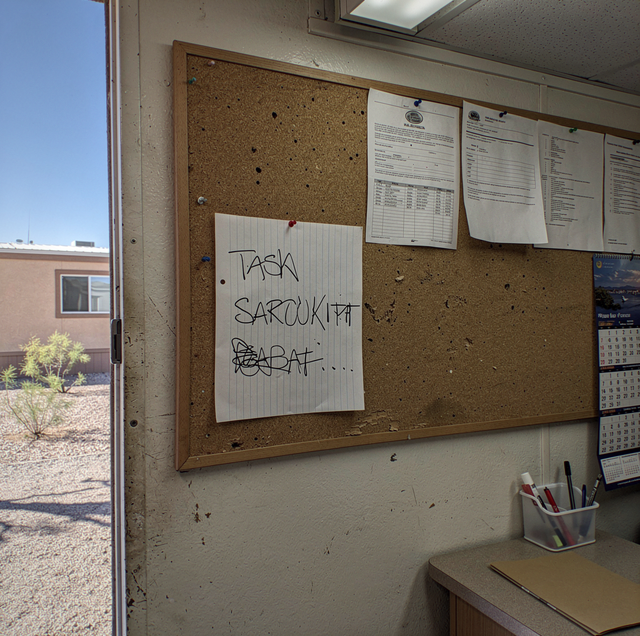
The pin is a red plastic one, pushed through the corner of a sheet of lined paper beside the trash pickup schedule on the park office bulletin board. The handwriting slants hard to the right: there are bugs in my bedroom, who do I call about this? No lot number, no name. The manager who finds it at opening time wants to help, and the first useful thing to know is how little of what comes next belongs to the office and how much belongs to the person who owns that home.
How a Park Differs From a Building Under One Roof
In an apartment complex, one owner holds every unit, and management handles the notices, the entry, and the prep when a unit is reported. A park of manufactured homes is laid out differently, and the difference changes nearly everything about a bed bug report. Each home sits on its own lot, and each one belongs to someone: the resident who lives in it, or a landlord who rents it out.
Ownership settles who acts. The park may hold the ground, the roads and the office, but the home with bugs in the bedroom is a private household, and the decision to have it looked at is that household's.
It also shapes how bed bugs travel between homes. Detached homes share no wall for them to cross; they reach a new home on someone or something, in a bag, on a visitor, inside a used chair. A report from one home is a report about that home and what has come through its door. It says nothing yet about the home across the road.
What Falls to the Manager and What Each Resident Decides
Whoever owns the home is the one who calls John. Whoever manages the park can plan the work with him. Those two lines carry the whole division of labor, and they work best in that order.
For the manager, that leaves a short list. The office can respond to the note with a phone number and a simple suggestion to call before moving anything. It can let the resident know the inspection is free. If John and the manager plan the work together, the shape of that plan depends on what he finds in the home.
The resident decides the rest: whether to have the home inspected, when the visit happens, and who else hears about it. John does not tell the neighbors whose home it is; who else hears is the resident's choice, and an office that learns which home it was can leave that choice with the resident. The visit itself is low-key, with plain lettering on the truck and no logo on the uniform.
Blame has no place in any of it. Bed bugs are hitchhikers, and anyone can pick them up through travel, guests, or furniture brought home. The resident who pinned that note did the right thing by asking.
Once a home is treated, the one-year warranty belongs to whoever paid for that home, provided the entire home was treated, the prep was done, and the second visit occurred. It is not a park warranty, and it does not extend to nearby homes.
Inspection Starts With the Home That Asked
Only one household has reported a sign, so its home is where the facts can be gathered. Until John has looked, a bug in a bedroom could be a bed bug or something else, and bites alone cannot settle which.
The inspection is free, and John goes over the findings for that home with the resident before he leaves.
Before he arrives, the home is best left as it is. Stripping the bed into a laundry pile, hauling the mattress out, or dragging the couch into a spare room can spread bugs to rooms that had none, and it scatters the evidence the inspection reads.
If bed bugs are confirmed, a manufactured home is treated the way a house is: the whole home, two visits two weeks apart, 4 hours out after each one while it dries, the household back in its own beds that night, and a one-year warranty. Nothing about the job shrinks because the home sits on a lot in a park.
When Other Residents Start Asking
Word moves fast along a park road, and by the end of the week other residents may stop by the office. Some will want to know whose home it is. Others will want to know whether their own home needs treating too.
The first question is not the office's to answer. The second has a plain answer: a neighbor's home is treated only when bed bugs turn up inside it. John will look at the home of any resident who asks, and the look costs nothing, but each home is judged by its own inspection, not by how close it sits to the one that reported.
That gives the office one answer for everyone who asks: a resident who wants their own home looked at makes that call, just as the first resident does.
Furniture on Porches and in Shared Rooms
Porches and carports tempt anyone who suspects bed bugs. Setting a couch outside may seem like moving it away from the bedroom, but anything left outside can carry bed bugs to the neighbors. Furniture stays indoors until the inspection.
Shared rooms call for the same calm. A clubhouse or card room has chairs and couches where people sit for long stretches, and a bug carried in on a bag or a sleeve can settle there. A sighting in one of those rooms is a report in its own right. Leave the furniture where it is and ask John directly whether a room like that is one he will look at.
The note on the bulletin board asked one thing, and the answer fits on the same sheet of paper: a phone number and a line asking the resident to leave everything in place until someone has looked. What the manager does after that follows the same order each time. The owner's home comes first; every other home stands on its own findings, and the resident's name stays wherever the resident wants it kept.
Frequently Asked Questions
Then the park stands where any owner stands, and the call is the office's to make. A home rented out by a private landlord works the same way, with that landlord as the owner who hires John.
The office does. The park holds those rooms the way a resident holds a home, so a sighting in one of them is the park's own report, and the manager is the one who calls John about it.
The treatment is the same whole-home job in both. A double-wide is two sections joined down the middle into one home, and both sections are treated as that one home, whichever half the bugs were seen in.
No. An RV on a site in the park gets the same whole-home treatment as a manufactured home: the whole RV, with the same two visits.
It changes the scheduling. A part-year resident gives John their dates when they call, so the plan accounts for when the home is occupied.
No. The 4 hours out after each visit apply to the household whose home is being treated, and the homes on either side go about their day as usual.
Set the note's question to rest with one phone number — the resident's free inspection settles what is in that one home before the rest of the park starts guessing. Bed Bugs Arizona serves Phoenix and towns across Arizona. Call 623-451-0541.