

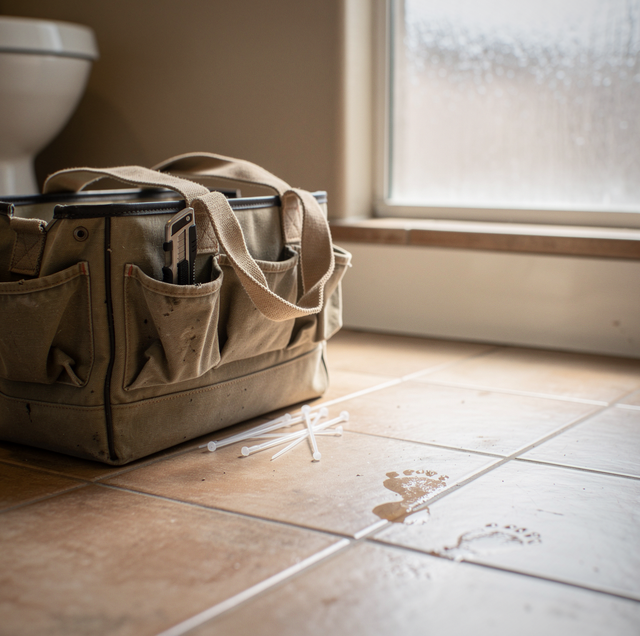
The canvas tool bag rests on the hallway carpet beside a folded drop cloth, its side pockets stuffed with a tape measure, a utility knife, and a bundle of zip ties. The maintenance cart is parked a few feet down the corridor, and the work order on the clipboard is a dripping kitchen faucet in a unit where the tenant reported bed bugs two days ago. Before lunch, that same bag will sit on the floor of another unit because of a running toilet, and after lunch, in a third. Can maintenance staff carry bed bugs from unit to unit? They can, and whether they do depends less on the repair than on where the bag, the cart, and the person carrying them come to rest while the repair gets done.
How a Work Routine Can Carry Bed Bugs
Bed bugs spend the day pressed into narrow gaps close to where people sleep and sit: mattress seams, the joints of a bed frame, the folds and seams of a couch or a recliner. They crawl; they cannot fly or jump. They travel between homes on people's clothes and belongings, and a staff member's bag and work clothes are no different.
The route opens when something brought into the unit touches one of those resting spots, or sits close enough for a bug to crawl onto it. A tool bag dropped onto a couch cushion during a window-latch repair, a jacket draped over a bedroom chair, a knee pressed into the edge of the mattress to reach a wall behind the headboard: each one gives a bug fabric or a seam to climb into. The bag then leaves with the staff member, and the next place it is set down is another resident's home.
Work under a kitchen sink, at the water heater, or on an entry door happens away from the bed and the seating, and it gives a bug little to reach. The risk sits in the jobs that bring staff and their things up against the furniture people sleep and sit on.
Shared walls change how a second case reads. In a building where units sit side by side, the unit next to a reported one can be involved for reasons unrelated to staff, so a later report next door does not automatically trace back to a work order. A detached rental house has no shared wall. When bed bugs turn up in two separate houses that the same office manages, the people and things that traveled between them are the link to look at, staff visits among them.
What Moves With Staff From Unit to Unit
Some things leave a unit with the staff member every time. Each gives a bug a different kind of hold.
The tool bag: Canvas and nylon bags have stitched seams, zippered pockets, a padded base and a strap that folds back on itself. Every one of those is a gap. A bag that sat on a bed, a cushion, or the carpet tight against a couch skirt is the first thing to think about.
Rags and packaging: Shop rags and the folded cardboard of parts boxes have creases and layers. A rag used to wipe a bed rail or set down on an upholstered chair goes back into the cart with everything else.
The staff member's own clothes: Cuffs, sleeves, and the knees of work pants touch whatever the work touched. Those clothes go to the next unit, then home at the end of the shift.
These are the ones that travel with staff from door to door, so they are what a routine can manage.
Changing the Routine Around a Reported Unit
The repair in a reported unit stays the same; the order of the day and where things rest are what change. The habits that follow are sensible ones a manager can ask for.
The reported unit goes last: Make it the final stop on the day's route, so nothing from it reaches another resident's home that same day. A bag or a shirt that carried a bug out of the unit then goes back to the shop and to the washer, and not to the next door on the list.
Bags and tools on hard floors: Set them on tile or vinyl in the kitchen or the bathroom, away from the bed, the couch, and any upholstered chair. Take in only the tools the job calls for, and leave the cart in the hallway.
The job's footprint stays small: Before the inspection, moving a bed or a couch shifts bugs to new spots and makes the problem harder to read. A repair that would mean pulling furniture away from a wall is worth a word with the manager first.
Afterward: Empty the bag over a hard, light-colored surface in the shop and check its seams and pockets. The clothes worn in that unit come off before the drive home and go through the washer and dryer, with no stop on a couch or a bed along the way.
Once treatment begins, the timing shifts again. The unit stays empty for 4 hours after each visit while the treatment dries, and work orders wait out that window. Between the two visits, the tenant's prep stays in place, so a repair that would undo it gets cleared with John first.
When Staff See a Sign on the Job
Some units were never reported. A staff member tightening a loose bed rail or fixing a sliding closet door notices a live bug, or dark spotting along a seam, in a unit nobody has called about.
The useful response is short: the item stays exactly as it was found, the bag stays on a hard floor, any repair that can wait is left for another day, and the manager hears about it the same day. From that moment on, the unit is a reported unit, with the routine that comes with it.
Staff can be uneasy after a finding like this, and concern about a mark on the skin is a question for a health care provider.
What the Manager Arranges With John
A reported unit gets a call to John before routine work there goes ahead. Along with the unit and what the tenant saw, give him the work orders staff have completed in that unit since the report and the units they went to afterward. It gives John the route the work took, and whether a neighboring unit needs an inspection too is his call, made on the severity he finds and the unit's history.
John inspects the reported unit and rates the severity of the problem. Management handles entry and the tenant's prep, as with any treatment in the building. The treatment itself covers the whole unit, every room, the furniture, and the baseboards, with a second visit about two weeks later.
Staff goes where the work is, and bed bugs go where staff set things down. Make the reported unit the last stop, keep the bag on the floor and off the furniture, and a work order in that unit stays a repair.
Frequently Asked Questions
Work that can wait, waits. A sticking cabinet hinge, a new towel bar, or touch-up paint can go on the calendar after John has looked. A water leak, a door lock that will not secure the unit, or a refrigerator that has quit cannot wait, and that visit goes ahead with the bag on the kitchen floor.
Send one person in and keep the other in the hallway with the cart, handing tools and parts through the door. That keeps the second person's clothes and bag out of the unit altogether, so only one set of belongings needs to be looked over afterward.
It does, and the manager is the one who tells the vendor which unit was reported. A drop cloth spread in that unit gets folded inward on itself, dirty side in, before it is carried out, so anything resting on its surface stays wrapped inside the fold.
The jacket comes off where the staff member stands, onto a hard floor, and goes nowhere near a seat or a truck cab. When the manager calls John, the day's earlier stops are added to the account, along with the reported unit, since a bug on a sleeve can have come from any unit visited that day, not only the one on the work order.
It gives a bug fewer places to hold. A hard plastic tote with a snap lid has smooth walls, no stitched seams or padded base, and its interior can be seen at a glance. Some crews keep one tote just for reported units.
Hard desks, shelves, and the shop bench give bed bugs few places to settle. An upholstered chair or a couch where staff drop bags and jackets at the end of a shift is different, because the bag lands on it straight from the unit. Keeping bags on the bench and off that seat closes the gap.
Map the reported unit and the work orders around it — give John that route when you call, and his free inspection of the unit tells you whether a neighboring one needs a look. Bed Bugs Arizona serves Phoenix and towns across Arizona. Call 623-451-0541.