

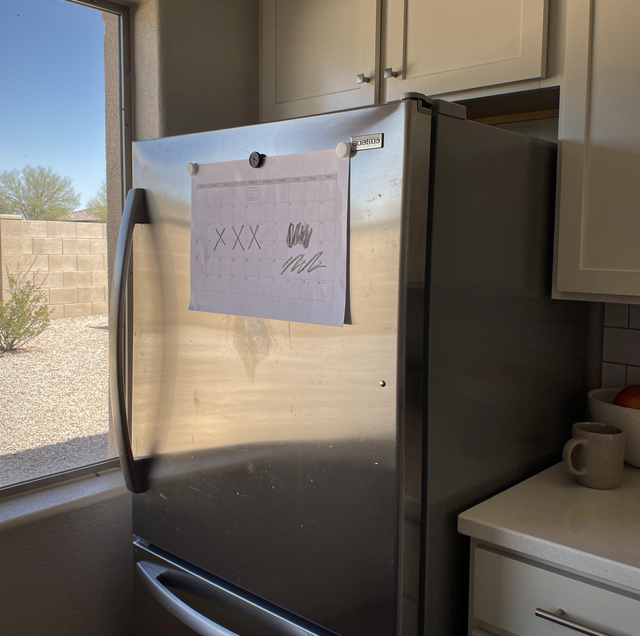
Three small x marks sit in a row on the fridge calendar, just after the circled treatment date, and the third went on this morning beside a note that says "left forearm, two new." The first visit was supposed to end the itching, so each x feels like evidence that something went wrong. Is it normal to still get bites after bed bug treatment? It can be. Marks can keep showing up for several reasons, some of them harmless to the plan and some worth a phone call, and the marks by themselves cannot say which one applies.
Why Marks Can Keep Appearing After a Treatment
Skin does not always report a bite on the day it happens, and a mark can surface days after the bite that made it, so a bite from the week before the circled date can show up after it. Some of those X marks on the calendar may be recording feedings that happened before John ever came through the door.
Older marks also stay on the skin for a while after the bite that made them. How long a mark stays red or itchy varies from person to person, and treatment day does not shorten its duration. A forearm that itched before the treatment can keep itching after it without anything new having happened.
Then there are bed bugs the spray did not reach. A bug wedged into a bed joint or a chair frame the spray could not reach still has to leave it to feed, and on some jobs a straggler or a young bug that hatched after the visit turns up before the second one. Its trip out of hiding crosses treated surfaces, and the residual does its work on that contact, but a bug on its way to a sleeping person can still reach skin.
When those young bugs appear has no fixed date. Eggs hatch within about two weeks, and in a warm home they can hatch sooner, while a cooler room can stretch the wait. So the day a new mark shows up cannot be compared to a hatching date to determine whether it came from an old bug or a new one.
Not every mark comes from a bed bug, either. On some calls about bites, the cause turns out to be a different pest, or nothing that anyone can find.
Reading a Mark After the First Visit
A mark cannot say what made it or when. It cannot say whether a bed bug was involved at all, whether the bug was an adult that survived in a protected spot or one that hatched last week, or whether the treatment is on track. Bites after the first visit are no verdict on the job in either direction: they do not prove it failed, nor do they prove it is working.
The absence of marks proves just as little. A household member with clear skin is no evidence that the bed they sleep in is quiet.
What a mark can do is send you to look at things that carry dates of their own. The clean sheets that went on the bed when everyone came home after treatment day are one of them. Small dark or rusty spots appeared on those sheets after the treatment because they were not there before it. That is more useful information than any mark on the skin, and it is worth a look each morning.
A mark that swells, spreads, blisters, or looks infected, or any reaction that worries you, is a question for a health care provider, not for a bed bug call.
Turning the Calendar Into a Record
The calendar on the fridge already holds the dates. A few extra words beside each X make it useful.
Who: Initials for each person who woke with a new mark that day. A household of four with marks on one person reads differently from a household with marks on everyone.
New or old: Whether the mark was there before the circled date or appeared after it. A mark you remember from before treatment day belongs in a different column from one that showed up this morning.
Where they slept or sat: The bed, the couch, a guest room, a long evening in one chair. A mark carries no location, but the person does.
What the sheets showed: Anything on the fresh sheets, even if it turned out to be nothing.
Any bug seen: Where it was and what it was doing. Leave it where it is and do not take the bed apart to look for more.
Through all of this, the home remains as it was on the first visit. Prep that stays in place between the visits, bagged clothes included, is prep that does not have to be redone.
The Job the Second Visit Does
The second visit is part of the plan made during the inspection, set about two weeks after the first and timed to the eggs; its date comes from the egg cycle, not from the number of marks on the calendar.
What the notes add is a starting point for the conversation on that day. A week of entries showing marks on one person after nights on the couch, or spots on the fresh sheets in one bedroom, tells John more than "we are still getting bitten." What he does with that information is his call, made in the home with the rooms in front of him.
Marks can keep surfacing after the second visit for the same delay that applies after the first. A mark the week after it can still come from a bite before it. A bed bug seen after both visits is a different matter and a reason to call.
When to Call John Before the Second Visit
Nobody has to sit on a worry until the second visit comes around. If something between the visits concerns you, call John, and several situations clearly qualify:
- A live bed bug seen anywhere in the home, on the bed or off it.
- New spots on the clean sheets, especially if they keep turning up.
- New marks that keep arriving morning after morning, on one person or several, when that pattern is what is worrying you.
- Marks on someone who sleeps in a room where nobody had any before the treatment.
On the call, read from the calendar: the dates, the initials, where each person slept, and anything the sheets or a bug showed. Whether any of it changes the plan is John's to judge once he has heard it.
The x marks on the fridge are worth keeping, and worth reading with some patience. On its own, each one says only that someone woke up itchy. Lined up against the circled date, the clean sheets and where everyone slept, they become something John can work with. Itching through the days between the visits wears on a household, and the phone is a better place for that worry than the calendar.
Frequently Asked Questions
It can be one. A feeding bed bug can probe the skin more than once before it finishes, and each probe can leave its own mark, so a short row does not count the bugs that made it.
They feed on bare skin and do not bite through cloth. They can crawl under a loose sleeve, a hem, or the edge of a blanket to reach skin, so a mark under clothing settles nothing either way.
The bite is not felt as it happens. A feeding bed bug's saliva numbs the spot and keeps the blood flowing, so a person can sleep through the whole meal and only notice the result as a mark afterward.
No. A mark is one person's skin reacting to a bite, and it does not pass to anyone by touch or by sharing the sheets. Each mark on each person comes from a bite of its own.
Note it on its own line. A night in a hotel or anywhere else puts the person in another bed, and a mark in the days after could come from there, so write down where that night was spent before the call.
No. A bite made after treatment day is the same kind of feeding as one before it, so the mark looks the same, and no color, size, or shape sets a post-treatment bite apart.
Report the marks and anything on the fresh sheets — John can go over what you have noticed since the first visit and what comes next. Bed Bugs Arizona serves Phoenix and towns across Arizona. Call 623-451-0541.