

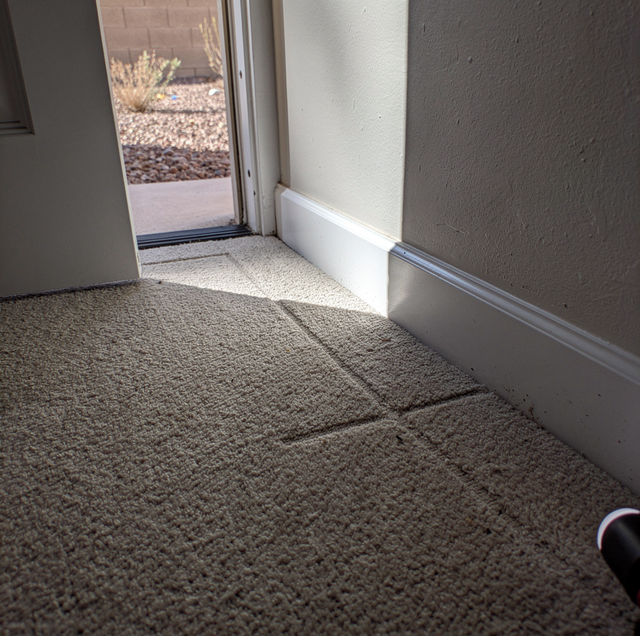
The beam from a phone flashlight crawls along the baseboard behind the bedroom door, past a strip of freshly vacuumed carpet and into the corner where the trim meets the wall. The keys changed hands ten minutes ago, the boxes are still in the car, and the unit smells of cleaner. That pause, before a single bag crosses the threshold, is the easiest moment a renter will get to look for bed bugs, because nothing of yours is in the rooms yet to pick them up.
Knowing how to check a rental for bed bugs before moving in takes three things: a sense of what a bare or furnished room can reveal, where the evidence tends to collect, and what to do when the light lands on something.
What Bare Rooms Leave Unanswered
Bed bugs spend the hours between meals packed into narrow, covered gaps close to where people sleep and sit. When the beds and couches leave a room, bugs living in them leave with the furniture, and any that were resting in the room itself can stay behind in whatever gaps remain: the seam where the baseboard meets the wall, the edge of an outlet cover, the joints in a door frame. Those are the places a renter's look can reach, and they are also the places where a small problem leaves the least to see.
A handful of bugs leaves only a handful of dark dots, and the vacuuming and wiping that happen at turnover can clear away whatever sat on open surfaces. So an empty unit that looks clean has answered only part of the question. It does not show that bed bugs were never there, and the stretch of time a unit stood empty changes nothing about what a look can tell you.
A find carries real weight in the other direction. One live bug, a cluster of dark spots, or a pale shed skin in a bare room can indicate that bugs have lived near that spot, and it deserves an answer before the move goes any further.
Where to Look Before Anything Is Carried In
Leave the boxes, bags, and furniture in the car or the truck until the look is done. Each thing carried in early is one more place a bug could climb into, and one more object to think about if the look turns something up. An empty unit also offers a clear view of every wall, which a furnished room cannot.
Start in the rooms where people slept and sat. Scuffs on the paint or faint marks on the floor show where a bed or a couch stood, and that stretch of wall deserves the most time. Then work outward:
Baseboards: The top edge where the trim meets the wall, the inside corners, and the ends where the trim butts into a door frame.
Outlet and switch covers: The gap around the outside of each cover plate, on the walls where beds and couches stood. Look at the edges only.
Door frames and window trim: The joints where two pieces of trim meet, in the bedrooms first.
Anything left on the walls: A mirror or picture the last tenant left hanging. Tip the bottom edge away from the wall and look at the back and the wall behind it.
Do not unscrew outlet or switch cover plates to look behind them, since live wiring sits right behind each plate. Leave anything around a cover for the inspection, and if a plate has to come off, have an electrician remove it.
What the light is looking for: live bugs, flat, oval and brown, 3/16 to 1/4 inch long as adults and reddish and swollen after a meal; pinpoint dark spots, alone or in clusters, which are droppings; rusty or reddish smears; pale-yellow empty skins left behind as young bugs grow; and pearl-white eggs about 1 millimeter long. Spotting and skins build up where bugs rest, so they show up in tucked-away lines and corners well before they appear anywhere out in the open.
Furniture Left Behind in a Furnished Unit
A furnished unit gives a look more to work with and more places to miss. Beds, couches, and upholstered chairs are where bed bugs settle by preference, so a bed frame or sofa that stayed behind is the piece worth the closest look, and also the piece able to hold a problem the bare walls may not show.
Look along what is visible without taking anything apart: the joints and cracks of the bed frame, the back of the headboard where it faces the wall, the seams and tags of the mattress and box spring, the seams of a couch or upholstered chair and the gaps between their cushions, and the drawer joints of a nightstand or dresser. Upholstered pieces have the most seams, so give them the most time. Leave the mattress where it sits. Anything that appears to be unsettled belongs to the inspection.
Hold off on sitting or lying on the furniture, and keep bags, jackets, and phones off it while you look. Those few minutes put your own things in contact with whatever the piece holds before anyone knows what that is. A mattress that looks new or a couch that has clearly been cleaned says nothing about the frame or the gaps between cushions.
Handling a Find Before Moving In
If the light lands on something, stop. Touch nothing: do not wipe it, squash it, or spray it, and carry nothing else into the unit. A smeared spot or a crushed bug is harder for anyone to read afterward, and store-bought sprays and foggers make bed bugs harder to control. Take one clear close-up photo that can be texted to John for a first look.
Then keep your belongings where they are. Boxes that have not arrived have not been exposed, and keeping them out until the unit has been inspected is an inconvenience with a clear endpoint. If the unit is managed, the manager can call John too. Questions about the lease, the move-in date, or who handles what are for the lease itself or an attorney.
When an Inspection Is Worth It Before the Move
Move-in inspections are free, and a renter can call for one directly. It is worth asking for one in three situations: anything at all turned up during your own look, the unit came furnished with beds or upholstered pieces that were left behind, or the look left you unsure, for instance because the lighting was poor or the rooms were hard to reach.
The inspection settles what a renter's look cannot: whether a speck is spotting or something else, whether a pale shape is a shed skin, and, if bed bugs are present, how serious the problem is. If it is bed bugs, the treatment covers the whole home. Where that leaves the move date is a question to put to John at the inspection.
Time spent with a light before the first box comes through the door is well spent on any rental. Look low, look where the furniture stood, leave anything that turns up exactly as it is, and let an inspection answer whatever the light leaves open.
Frequently Asked Questions
Yes, after the bedrooms. Check the door frame trim and the brackets where shelves are screwed to the wall, and look along any shelf liner or contact paper whose edge has lifted, since a lifted edge leaves a covered gap. A closet that shares a wall with a bedroom deserves the slowest pass.
They do, because they are easy to skip in a room with nothing else in it. Look into the folds with the light while the curtains stay on the rod, since pulling them down can drop whatever is in them onto the floor, and look at the hooks or rings where the fabric gathers at the top.
Look at them without taking them down. Run the light along the headrail at the top and the ends of the slats, since the headrail is a covered channel and, in a bedroom, it can hang close to where a bed stood.
Fresh paint shows the unit was refreshed between tenants, and it says nothing about bed bugs either way. Paint can cover old spotting on walls and trim, which removes evidence a look could have used, and it does not reach bugs resting in a gap behind a baseboard that the paint never filled.
Last, and briefly. A kitchen with no seating gives bed bugs little reason to settle, while a breakfast nook with a padded bench or upholstered chairs gets the same edge-and-seam look as any other seat.
Briefly, with the door swung open. Each hinge leaf sits in a shallow cutout in the frame with a thin gap around its edge, and the strike plate across the opening sits the same way. Run the light along those edges; there is no need to pull a hinge pin or loosen a screw.
Know what the unit holds before the boxes go in — a free move-in inspection answers what a flashlight leaves open, while nothing of yours is in the rooms yet. Bed Bugs Arizona serves Phoenix and towns across Arizona. Call 623-451-0541.