

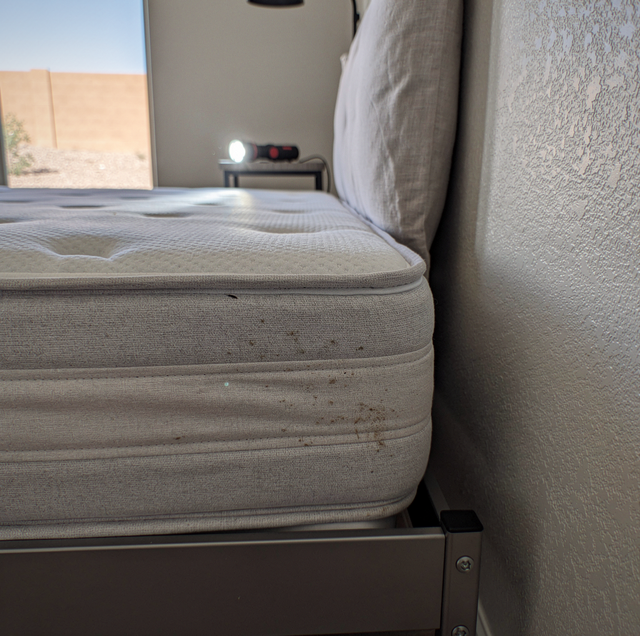
The inspection summary is still on the dining table, and one line is underlined twice in pen. Maybe it reads "bed bugs." Maybe it reads "nothing found," and the marks on your arm say otherwise. Either way, the line sits there, and the doubt has settled in beside it. Doubt after a first visit is ordinary, and it deserves a straight look.
Why Doubt Comes Up After the First Visit
A verdict lands hard whichever way it goes. A finding of bed bugs sets off prep and disruption in a household that is already short on sleep. A finding of nothing leaves the bites or the sightings unexplained. Some people ask for a second look at a finding they were given, and the result goes either way: sometimes it matches the first, sometimes it does not.
Doubt tends to attach to a few specific gaps:
- No sign was shown: The verdict arrived without anyone pointing at a bug, a spot, an egg, or a shed skin.
- The verdict rests on bites: Marks on skin do not settle which insect caused them, and a strong reaction on the skin belongs with a health care provider.
- The reasoning stayed vague: Nobody said which room, which piece of furniture, or what the finding meant for the rest of the home.
None of these says the finding is wrong. Each says the finding has not yet been tied to anything you can see.
The Evidence a Verdict Rests On
A diagnosis worth trusting rests on physical evidence found in the home. John's own inspection runs in a set order. He talks with you first, then searches with a flashlight, starting with the beds and the furniture where people spend the most time. He is looking for the bugs themselves and the signs they leave: spotting, which is their droppings, along with eggs and the casings they shed as they grow. The result comes back in plain terms: bed bugs, another pest, or nothing found.
Each piece of that evidence can be pointed at, and that is the test of any finding. Something in the home, in a place the finder can name, supports it. The search covers the places people sleep and sit, which is why a verdict based on a single glance at a room is a thin one. A result of nothing found rests on the same search coming up empty, so it is only as sound as the search behind it.
Bites alone cannot supply any of this. Reactions differ from person to person, and the same mark can look like several other things, so a verdict built only on skin leaves the question open.
Questions to Ask About the Finding
The person who gave the finding is the best first stop, and a plain tone gets the clearest answers. Four questions cover the ground:
- What did you see? The answer should name a bug, a spot, an egg, or a casing.
- Where was it? A room and a piece of furniture, not "around the bed area."
- Can you show me? Evidence that is still in place can be pointed to.
- What does it mean for the rest of the home? The answer tells you how far the finding reaches.
A good answer names an object in a place, and it comes without strain. If the answers come easily and the signs can be pointed to, the doubt may be worry talking. If they come out vague, or nothing can be shown, that gap is the reason to ask for another look.
A plan can raise its own question, such as one that addresses a single room or relies on a single method. That is a question about the plan, and it sits downstream of the finding. John's method is a whole-home treatment applied by hand; he does not offer heat, and outside a hotel or motel room, he does not treat a single room on its own, so he can speak to what he finds in your home rather than how another approach would be carried out.
When Another Look Makes Sense
Another look is reasonable when no sign can be named, when the verdict rests on bites, when the finding and your own experience disagree, and nobody has explained why, or when the plan covers less of the home than the household uses. In each case the doubt has something real to stand on.
It adds little when the finding is clear, the signs were shown, and the plan covers the whole home. A second search in that situation mostly repeats the first.
The decision is yours, and nobody pushes it. John's inspection is free on every job, whether it turns out to be bed bugs or not, and nothing is moved or thrown away beforehand. You do not have to be sure of anything before you call, and you owe nothing if the answer is that it is something else.
What a Second Look Adds and Leaves Alone
A second look adds an independent search of the beds and furniture by a person who did not make the first finding, and it ends in a finding stated plainly. If the two agree, the plan can move forward on firmer footing. If they differ, you hold two findings, and the one tied to named signs in named places carries more weight than the one without.
It leaves some things untouched. It is another search, not a tiebreaker vote, and it still reads only what a search can reach. It cannot undo a bite or give back a lost night of sleep. And nobody can promise in advance which way it will go: a second look can confirm the first finding as easily as it can overturn it.
Doubt is information. It says the finding and your own experience do not yet fit together, and what joins them is evidence you can point at. Ask the questions, give the plan a fair read, and if the evidence still will not come into focus, a free inspection is available, and the decision stays with you.
Frequently Asked Questions
Yes, briefly: when the first visit happened and what it concluded. That belongs in the talk that opens his visit, alongside anything you have noticed since then, such as new marks or a new sighting.
Say the finding in one sentence: what was seen, in which room, on which piece of furniture. If the sentence comes easily and matches what the person pointed at, the discomfort may be about the news. If the sentence has a gap, such as no object or no room, the doubt has something to stand on.
No. John reports what his own search finds in your home on the day he is there. He cannot see what an earlier visit saw or missed, so what you receive is a finding of his own, not a ruling on anyone else's.
Compare the rooms and the signs each one names, not the adjectives. "Light," "moderate," and a number on a scale can all describe the same set of facts. If both name the same room, the same furniture, and the same kind of sign, the two agree even when the wording differs.
Start with the finding, because a plan is built on it and can only be as sound as what was seen. If the finding holds up, with named signs in named places, the plan becomes a question of method and coverage for whoever wrote it. If the finding is thin, the plan has nothing under it.
No. Asking for a second look is a decision about your own home, not a verdict on anyone's work. Nobody else needs to be told before it happens.
Double-check the finding with a free in-home inspection — John searches your home for named signs in named places and tells you what he found. Bed Bugs Arizona serves Phoenix and towns across Arizona. Call 623-451-0541.