

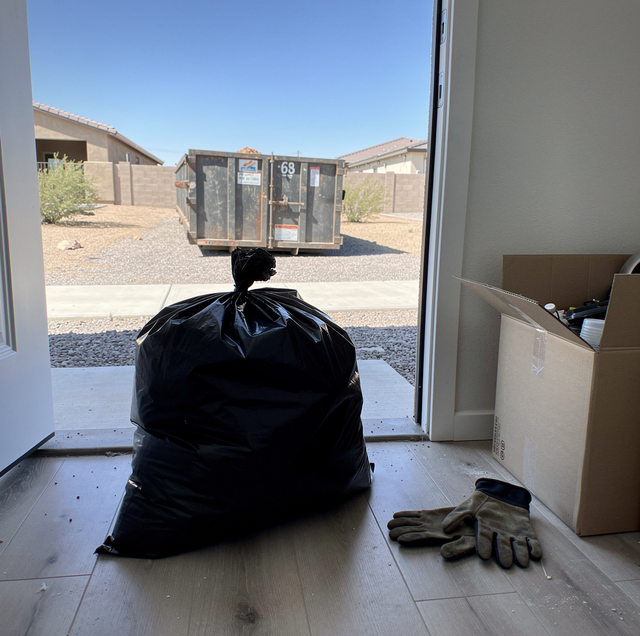
The bag at the front door is the fourth one of the morning. Your brother has it by the neck, halfway to the rented dumpster in the driveway, where three black bags from the back bedroom already sit on the bottom. Then someone pulling the sheets off that bedroom's mattress calls out about small dark spots along the seam, and a reddish-brown bug on the box spring. Should you clear out a relative's house with bed bugs before treatment, or stop where you stand? Stop. The bag in your brother's hand goes back down inside the door, nothing else leaves, and the house gets an inspection before anyone divides, hauls, or carries away another thing. Dividing the contents still happens, after both treatment visits.
Why Clearing Out First Can Spread the Problem
Bed bugs spend the hours between meals pressed into narrow gaps near where people sleep and sit: mattress seams, the joints of a bed frame, the folds and stitching of a couch or chair. They do not fly or jump. They crawl short distances on their own, and they go farther when the object they are tucked into is carried.
A clear-out moves every object in the house, sending them in several directions at once. Some pieces head to a dumpster, some ride in car trunks, and some go home with a son, a daughter, a niece. Each of those trips can carry a bug that was resting in a dresser joint or a seat cushion. One house with a problem could turn into a question in every home its furniture reaches. Nobody can say from the driveway which pieces are carrying anything, which is the reason none of them should leave yet.
Moving things also costs the inspection what it needs to see. Spotting, eggs, and the pale casings that bed bugs shed as they grow show where the problem is and how far it extends into the house. A bedroom with the drawers pulled out and the bed taken apart has lost that picture. Closing the front door and waiting for the bugs to give up is no plan either, since a house sitting empty does not change what has to happen.
None of this says anything about how your relative kept the house. Bed bugs are hitchhikers. They ride in on people and their belongings, and anyone can pick them up.
Everything Stays Put Until the Inspection
Until the house has been looked at, the clear-out pauses where it is. That covers the furniture, the beds, the boxes already packed and taped inside, the bags already filled, and the drawers half emptied onto a bed. Leave each of them in the room where it sits now. Do not take the bed frames apart to make them easier to carry, and do not stack furniture in the garage or on the porch to get a head start. Furniture set outside can hand the problem to the neighbors.
The pause runs for a short time. The inspection is free, and John Taylor, the owner, does it himself. One family member can let him in and walk through the house with him.
Which Calls Belong to the Family and Which Belong to John
A family emptying a house has a long list of decisions to make, and a bed bug find splits that list in two.
John's calls: Whether it is bed bugs at all, how serious the problem is, which areas need the closest attention, and what prep the house needs before treatment. Whether a given piece of furniture can stay in the family also starts with what he sees in it. Furniture can be treated and kept, and a piece rarely has to go. The couch your mother sat in every evening and the dresser your grandfather built are not lost because a bug turned up in the bedroom.
The family's calls: Whether to go ahead with treatment, which family member handles the prep, and, once both visits are done, who takes what. The prep is the family's work. Prep help is not something the company offers, so whoever is clearing the house handles the stripping, washing, and clutter-clearing John asks for. If several relatives share it, one person who heard John's instructions in person can keep everyone working from the same list.
The question of what happens to a piece of furniture after the inspection is, in the end, the family's to answer. John gives his view. The point of waiting is that the family answers it knowing what he found, and not on a guess made in the driveway.
Where Cleared Items Should and Should Not Go
Before the inspection, the answer is simple: nowhere. Nothing goes to the dumpster, curb, porch, yard, or carport. Nothing is loaded for the drive to another home, where it will wait until things settle down. A spare room across town is still another home, and anything parked there before the house is treated takes its chances with it.
Between the first treatment and the second visit, the contents stay in the house as well. Furniture that is being kept is treated where it stands, and the residual left on it continues to work during the two weeks in between. Clothes and linens that John names are washed, dried on high heat, and sealed in clean plastic bags. Those bags stay sealed until after the second visit, so this is no moment to hand them out to relatives.
After the second visit, the division can start. That is when the pieces go to the homes that are taking them, and the rooms can be emptied for good.
How the Treatment Fits the Clear-Out
Pro-Treat Plus treats the whole house with its furniture in place, so the pieces being kept should stay where they are. A second visit follows about two weeks after the first.
For a family on a clear-out schedule, that means the contents wait until at least the second visit, about two weeks after the first treatment, plus whatever time the prep takes beforehand. The prep from the first visit stays in place for the second. A house stripped bare in between, with half its furniture already gone, makes the second visit harder and leaves gaps in what got treated.
The house comes with a one-year warranty that belongs to the person who paid for the service, at the treated address. It covers the house. A piece that moves to another relative's home afterward does not take that coverage along, which is one more reason the order matters: treat the house with the furniture in it, then let the furniture go.
Pausing a clear-out feels like losing ground, especially when the dumpster rental is ticking, and relatives have traveled in to help. That wait is a short delay set against carrying one house's problem into several. Put the bag back inside the door, make the call, and divide the house once both visits are done.
Frequently Asked Questions
Leave the bags that are in it where they are, and put nothing else in. A bin standing in the driveway is still on the property, so the bags in it are as much a part of the question as the rooms they came from. Fishing them back out and carrying them through the house only adds a trip.
Ask the cousin to wait. Chairs that leave today are no longer in the house when it is treated with its furniture in place, so whatever they carry goes untreated into the cousin's home. They can go home with the cousin after both visits.
No. Bringing them back means another trip through two houses. The boxes are best left closed where they are, and the day they left and what was in them are worth mentioning when you call about your relative's house, so John knows what went out before he arrived.
Do not drag it back up the driveway and through the front door, since that route runs it past everything else in the house a second time. Leave it where it is, see that nobody else carries it off, and say so on the call.
Please hold off. A pile mixes items from a bedroom where the signs turned up with items from rooms that showed nothing, so a pile meant for one relative can end up carrying the bedroom's risk along with the rest.
After the inspection, once the decision is made based on what John found in hand, the property leaves when he says it can go. That means straight into the vehicle hauling it off, with no stop on the porch, the lawn, or beside the driveway waiting for a pickup later in the week.
Stop the clear-out at the front door — a free inspection shows how far the bed bugs reach before the house's contents scatter to several family homes. Bed Bugs Arizona serves Phoenix and towns across Arizona. Call 623-451-0541.