

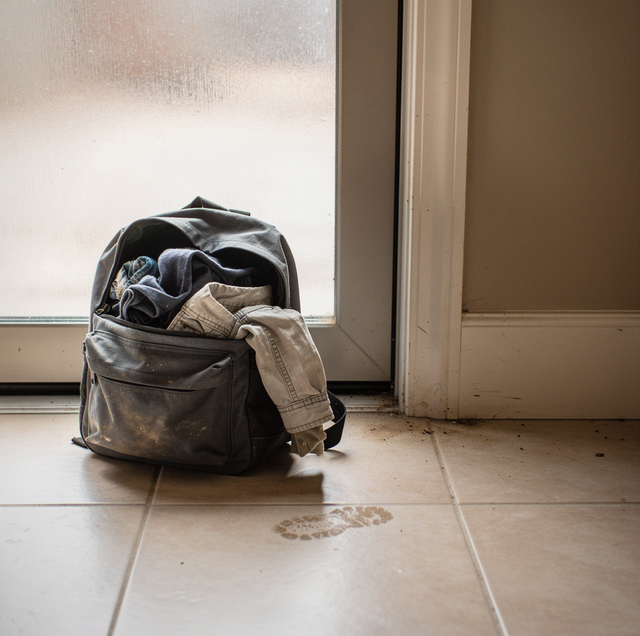
The zipper on the backpack is half open when it lands by the front door on Sunday evening, and the clothes inside were worn, slept in, and packed at the other house a few hours ago. Nobody is thinking about bed bugs at that moment, which is exactly why a bag like this deserves a plain look. Bed bugs travel on the clothes and belongings of the people who live in a home, so a child who moves between two households every week serves as a link between them. Whether anything rides along depends on one fact: whether the home the bag just left has bed bugs at all.
How Bed Bugs Ride Along on Belongings
Bed bugs cannot fly and cannot jump. They crawl, and to get from one building to another they need something that is already going there. A bag, a coat, a duffel or a folded blanket does that job. The insects wedge into seams, folds, zipper tracks and the creases of fabric, then stay put until the item is set down somewhere new. A bug tucked into a seam is easy to miss even when someone is looking.
The bed is where they set up first, so a bag that sits next to a bed in an infested home, or clothes tossed over the footboard, are within easy reach of whatever is wandering nearby.
The mechanism runs both directions. If neither home has bed bugs, the backpack carries nothing and the weekly swap is just a swap. If one home does, the child's belongings can carry them out, and the same belongings can carry bugs back the other way on the next trip.
What Moves Between Two Homes Every Week
A child who splits time does not move a whole bedroom. The same short list crosses over again and again: the backpack, a duffel or overnight bag, the clothes inside, a jacket, a pillow or blanket the child will not sleep without, and whatever else rides along for the week. Each crossing is a fresh chance for a hitchhiker to be carried, and a repeating schedule means the chances keep coming.
That repetition makes the source hard to pin down. A bug that crosses over lands in one home, a later bag can carry another back, and neither household has to be the one that started it.
The things that stay put at each house- the bed, the dresser, the couch- are where bugs end up living once a bag has delivered them. The items that travel are the delivery route.
The Coming-Home Routine for Clothes and Bags
The routine is the one used for returning from a trip, and it fits a weekly handover without changes. Two steps cover the clothes.
Bag the clothes: Before leaving for home, put the clothes in a large plastic bag and seal it.
Wash and dry on high heat: When they arrive, wash the clothes and dry them on high heat before they enter the living area of the house.
The sealed bag keeps the clothes from brushing against furniture on the way, and the hot dry deals with anything that stayed on the fabric. Either household can run this routine on its own side, regardless of what the other household does.
A routine for clothes is not a treatment for a home. If a bug has already been seen, the inspection comes next.
What Each Home's Inspection Settles
Seeing one bug does not tell anyone which home it came from, or whether a second one is nearby. The free inspection settles whether a home has bed bugs. John Taylor does the inspection himself, and each home gets its own: the home where the bug was seen, and the other home if its household wants to know.
The other household has to make its own call. An inspection of one home says nothing about the other, and no promise can be made about a place that has not been looked at. An inspection that finds nothing in one home does not clear the other either.
If a bug turns up in a bag or on a bed, leave the bag and the room as they are and call before anything is moved, washed, or thrown out. The inspection decides the next step.
If bed bugs are found, the whole home is treated, and John returns for a second visit about two weeks later. A treated home also carries a warranty that covers new arrivals while it is active, held by the person who paid for the service at the treated location, so it protects that home and does not reach the other household.
Facts for the Other Household
Bed bugs are hitchhikers, and picking them up is no mark against either home. A bag that has been in two homes cannot be traced backward to a culprit, and neither can the bugs.
What helps is keeping the message to facts: what was found, where it was found, and what has been done about it. A bug found in a child's belongings is a reason for an inspection, not a verdict on either household. The other household can then decide for itself whether to call, with the same free inspection available to it.
Decisions about schedules and arrangements between the households are outside the scope of what a bed bug specialist can advise on. The bed bug side stays simple: look, find out, treat if needed, and repeat the clothes routine at the door.
A backpack that goes between two homes is a normal part of a child's week. The clothes routine is short, and the inspection answers the specific question for each home. That leaves the bag as what it was before the zipper opened: a bag.
Frequently Asked Questions
Bed bugs do not live on people or in hair. Between meals, they hide in fabric, seams, and folds, so what carries them from one home to the other is the bag and the clothes, and the routine is about the belongings, never about the child.
Yes. A blanket, or a pillow that can go in the washer, rides in the sealed bag with the clothes and goes through the same wash and hot dry before it reaches the bed at the other home, so the comfort item can keep traveling.
Only for the 4 hours while the treatment dries, along with everyone else in the home and any pets. The child sleeps in their own bed that night.
Yes. A night in any other home's bed is the same kind of trip as a weekend at the other house: the clothes ride back sealed in a bag and go through the wash and a hot dry before they reach the living part of the house.
They can. The wash covers the clothes, while the emptied bag keeps its pockets, inner seams, and lining, where a bug can stay tucked in. Keep the empty bag off the child's bed and out from under it between trips.
They are put away before the treatment starts, as part of the prep John goes over at the inspection. How much else the prep involves depends on what he finds.
Start with a free inspection of your home — it settles whether the weekly bag swap carried bed bugs in, so each household knows where it stands. Bed Bugs Arizona serves Phoenix and towns across Arizona. Call 623-451-0541.