

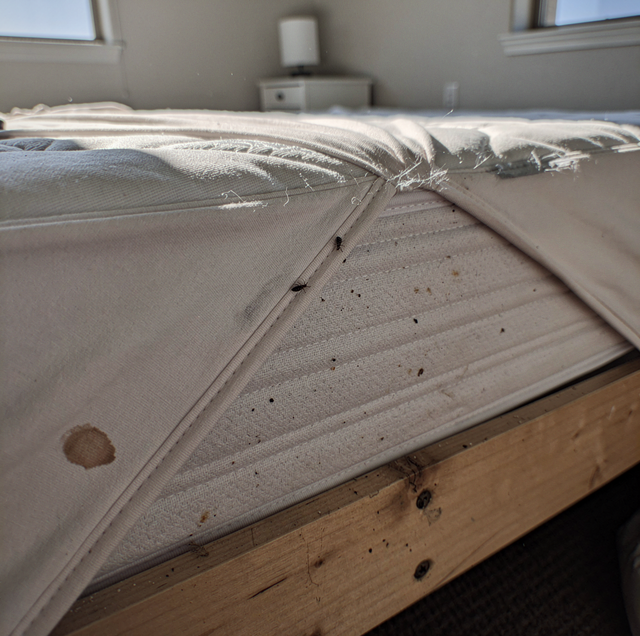
The quarterly pest technician's truck pulled away from the curb on Tuesday morning, and by that night there was a small brown bug on the pillowcase. The two events sit only a few hours apart, so it feels as though the visit should have prevented the bug. It was never built to. A routine pest plan and bed bugs use different routes into a home, and finding one after the other says nothing about how well the plan was done or how clean the house is.
What a General Pest Plan Is Built to Stop
A routine plan is built around pests that find their own way in from outside: ants lining up along a threshold, spiders in the eaves, roaches working through wall voids. The treatment follows that traffic. Most of that work is aimed at the outside of the structure and the places those pests nest. Some plans add indoor visits, and the plan on your account may be one of them. The target list stays the same either way. The product, the schedule, and the technician's attention are all set by pests living in the yard and in the walls.
That design suits the pests it was made for. It also explains how a visit can go perfectly and still have nothing to say about a bug that arrived another way.
How Bed Bugs Actually Get In
Bed bugs do not wander in from the yard. They arrive on people and belongings: a suitcase set on a hotel room floor, a jacket hung in a shared break room, a used chair, a visitor's bag set down beside the couch, a box carried from one home to another. A bed bug riding in on a laptop bag is already inside by the time the bag crosses the threshold, so a treated foundation and door frame never encounter it.
Once inside, the bug heads for where people sleep and sit. Bed frames, mattress seams, the backs of headboards, couch cushions, and recliners all have narrow gaps near a warm body, where the bugs settle and feed at night.
None of that depends on a neglected house. Anyone who has stayed somewhere, hosted a guest, bought something secondhand, or moved a box can bring one home, and a plan that guards the outside does nothing about that route. Having bed bugs is not a sign that anyone slipped.
Why an Outside Treatment Does Not Meet Them
An outside treatment works by sitting on a surface that a pest has to cross. A bed bug carried in on a bag or a sleeve has no reason to cross it. It goes from the bag to a bed frame, a couch, or the baseboard beside them, all of it inside the house, where the outside band was never applied. An indoor visit on a general plan is still organized around the hiding places of other pests, and bed bugs hide in furniture joints and seams that take a method built for them.
A general service is seldom set up with the training and practice bed bugs take, and that is not a verdict on anyone's service.
What gets control is a treatment designed around how bed bugs live. John's whole-home treatment is applied by hand in every room: beds, couches, recliners, and other furniture, along with baseboards, because the bugs travel wherever the household sleeps and sits. The residual it leaves remains active for several months and kills bed bugs at every stage, so a bug that was out of reach on the day or an egg that hatches afterward still crosses a treated surface. The second visit comes two weeks later, timed to the egg cycle, to deal with anything newly hatched. The regular company keeps handling everything else, and nothing about the plan needs to change before the call.
Handling the Bug You Found
Leave everything where it is. Moving a mattress to the guest room, taking the bed apart, carrying cushions outside, or sleeping on the couch are all ways one place with bugs becomes several places with bugs, because the bugs travel with whatever and whoever moves. Skip the store sprays and the bug bomb as well; they add product to the problem without reaching the seams where bed bugs hide.
If the bug is still on the pillowcase, leave it where it is, too. A clear close-up photo can be texted to John, which gives him something to look at before the visit. If bite marks are itchy or the skin reaction is severe, that part is a health care provider's concern; the bug question belongs to the inspection.
The Free Inspection Settles the Next Step
John does the inspection himself, and it costs nothing. He starts in the room where the bug turned up and works through the sleeping and sitting areas with a flashlight, checking for live bugs, dark spotting, eggs, and shed skins. Whether it is a bed bug at all comes out of that search, and the single bug on the pillowcase is only where it starts.
If it is bed bugs, he assesses the problem, makes a plan for the home, and walks you through it before you decide anything. The prep instructions come with the plan. On treatment day, everyone, pets included, is out of the house for 4 hours while the treatment dries, and you sleep in your own bed that night. A one-year warranty comes with the work.
A routine plan and a bed bug treatment answer different problems, and a household can need both. The plan guards the outside against what walks in. Bed bugs come in carried, and they are settled one home at a time by someone who has looked at the bed, the couch, and the seams between them.
Frequently Asked Questions
Yes. Not everyone reacts to bites, so a few bugs can feed for a while with nothing to show for it, and a smear of dark spotting or a pale shed skin is sometimes the first thing anyone sees. The day a bug turns up is a poor guide to the day it arrived, and the morning visit is no guide to where it came from.
It could be. Look-alikes such as carpet beetles get mistaken for bed bugs, and an inspection has three possible outcomes: bed bugs, another pest, or nothing found. If nothing turns up, the advice is to monitor for a few days and call again if anything shows up. The answer comes back plainly when it is not bed bugs.
John keeps inspections to weekdays where he can. If only a Saturday or Sunday works for your household, a weekend visit is possible, set as early in the day as he can make it.
Yes. He has been in pest control since 1982, and in 2021 he turned the general pest company he ran into a bed bug company, which is why bed bugs are now the only pest he treats.
An adult bed bug measures 3/16 to 1/4 inch long, with a flat brown body. If what you found is a very different size, send the photo anyway, because the inspection is where look-alikes get sorted out.
Yes. John does the inspection and applies the treatment himself. On a large job that needs extra attention, he brings in his son, who knows the same process.
Ask John for a free in-home inspection — find out whether that bug is a bed bug and what comes next for a home that already has a pest plan. Bed Bugs Arizona serves Phoenix and towns across Arizona. Call 623-451-0541.