

How to Protect a Home from Bed Bugs After Traveling
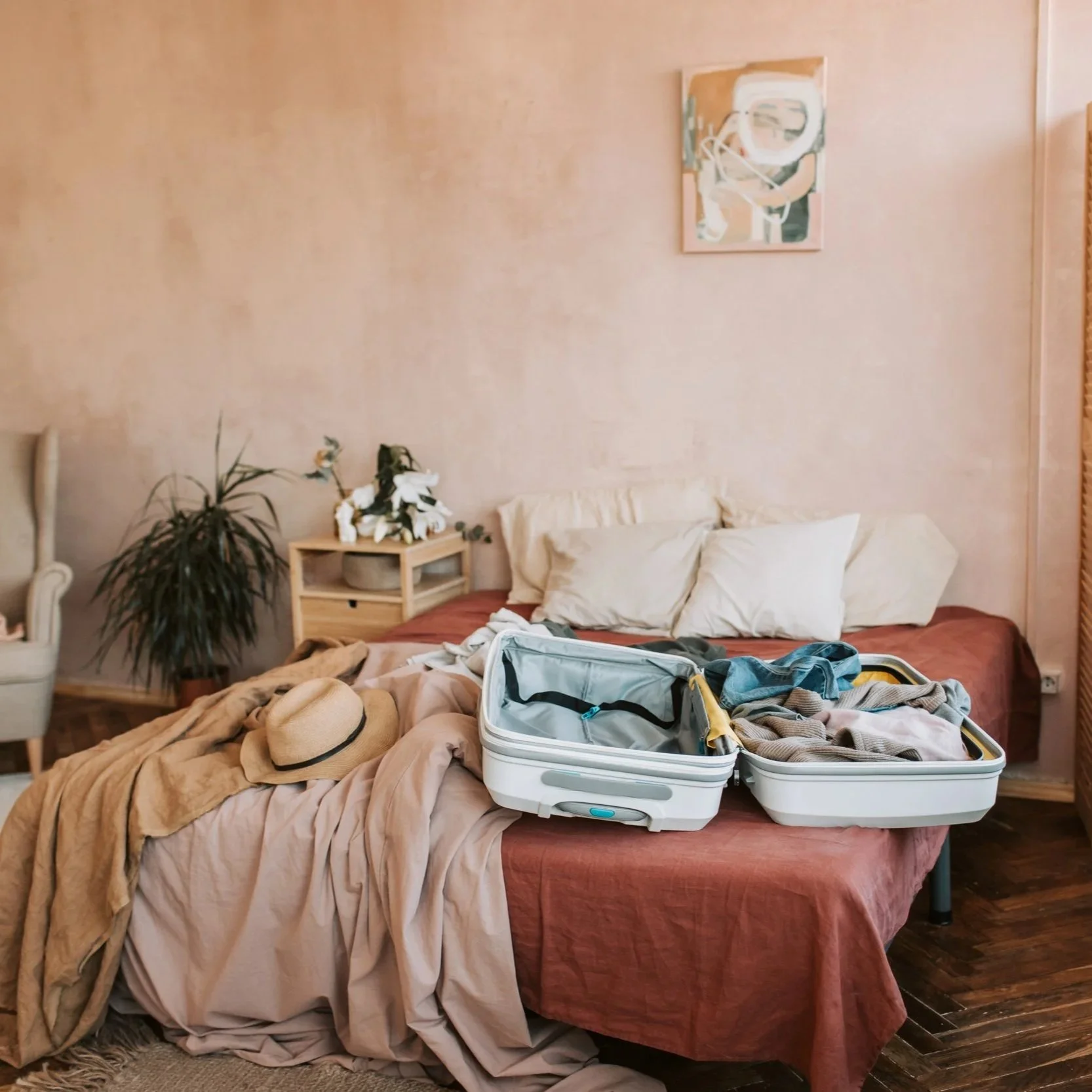
Protecting your home from a bed bug infestation after traveling requires vigilance, preparation, and quick action.
Traveling is an exciting and enriching experience, but the aftermath of a trip can sometimes come with an unpleasant surprise: bed bugs. These tiny, blood-sucking pests are expert hitchhikers, easily making their way into your luggage and back home with you. Even though they are more common in hotels, motels, and other high-traffic areas, no place is immune. Protecting your home from a bed bug infestation after traveling requires vigilance, preparation, and quick action. Here's how to prevent these pests from settling in your home once you return from your trip.
Inspect Your Luggage Before Unpacking
Before you even set foot inside your home, inspect your luggage. Bed bugs are known for catching a ride in your bags, clothes, and other personal items, so it's essential to check everything before bringing it indoors. Examine your suitcase for any signs of bed bugs, such as dark spots (fecal matter), bloodstains, or the bugs themselves. Pay special attention to seams, zippers, and pockets, as these are the areas where bed bugs tend to hide.
If you find any signs of bed bugs, it's crucial to act immediately. You may need to treat your luggage before bringing it into the house. A simple solution could be to place your luggage in a sealed plastic bag and leave it outside or in a garage, where bed bugs won't have easy access to your home. If you do not find any bugs, it's still a good idea to take a few precautionary steps to be extra cautious.
Unpack Outside or in a Garage
Once you've checked your luggage, it's a good idea to unpack outside, in your garage, or another area away from your living spaces. This reduces the chances of any bed bugs inadvertently making their way into your home. If unpacking outside isn't an option, consider using a room that is easy to clean and has a hard surface floor, such as a bathroom or laundry room.
As you unpack, place all your clothes in a sealed plastic bag. Do not leave anything lying around the house. The more controlled your unpacking process, the easier it will be to spot any stray bed bugs. After you've emptied your suitcase, scrutinize the inside for any signs of pests, then give it a thorough vacuuming.
Wash and Dry Clothes Immediately
Once you've removed your clothing from your suitcase, it's essential to wash and dry everything. Bed bugs are infamous for hitching rides on clothes, and they thrive in warm, hidden spots. The best way to kill any potential bed bugs on your clothes is by washing everything in hot water, ideally at a temperature of at least 120°F (49°C). Afterward, dry everything on the highest heat setting, as the heat will kill any bed bugs and their eggs.
Items that can't be washed, such as shoes, bags, or jackets, should be placed in the dryer on high heat for at least 30 minutes. Heat is one of the most efficient ways to kill bed bugs at all life stages, from eggs to adults. If you don't have access to a dryer, consider using a steamer to treat any non-washable items, as steam also effectively eliminates bed bugs.
Vacuum Everything Thoroughly
Even after washing your clothes, there's more to be done. Bed bugs can cling to the nooks and crannies of your suitcase, shoes, and other items you brought home with you. Vacuuming your luggage, clothing, and any other items that traveled with you is an important step in eliminating any potential bed bugs before they make their way into your home.
Use a vacuum with a hose attachment to target small areas, seams, and crevices on your luggage and personal items. Pay close attention to corners and folds, where bed bugs tend to hide. After vacuuming, immediately dispose of the vacuum bag in an outdoor trash bin to stop any live bugs from escaping.
Inspect Your Home for Indications of Bed Bugs
When you return home, take the time to inspect your living space for any signs of bed bugs. Look closely at the seams of your mattress, the edges of furniture, and behind headboards, where these pests tend to hide. Bed bugs are small, flat, and brown, and they can sometimes be mistaken for tiny apple seeds. Their fecal matter appears as dark spots, and blood stains may be visible on sheets or pillowcases if you've been bitten.
If you find any signs of bed bugs, it's time to act fast. Do not wait for the infestation to spread, as bed bugs reproduce quickly. Call a professional pest control company as soon as possible to inspect your home and begin treatment. Trying to handle an infestation on your own is rarely effective, and it can generate prolonged exposure to these pesky creatures.
Use Protective Mattress Encasements
If you're worried about bringing bed bugs home from your travels, using protective mattress encasements is an excellent precaution. These encasements act as a barrier, keeping bed bugs from entering or escaping your mattress. If you've already returned from your trip and are concerned that bed bugs might be hiding in your bedding, encasements can provide comfort and offer an additional layer of protection. Be sure to select a high-quality encasement that covers both your mattress and box spring completely.
Keep your bedding and furniture clean and monitor your home often for signs of bed bugs. If bed bugs do find their way into your home, a mattress encasement can help limit the infestation to a specific area, making it easier for pest control professionals to handle the problem.
Stay Vigilant in High-Risk Areas
Traveling isn't the only time you're at risk for bringing bed bugs into your home. High-risk areas like hotels, motels, and even public transportation can harbor these pests. The next time you travel, remain vigilant by inspecting your hotel room for indications of bed bugs before unpacking. Check the mattress, headboard, and furniture for any signs of activity. If you spot anything suspicious, notify the hotel staff immediately and request a room change.
In addition, consider using luggage covers that provide an additional layer of protection for your bags. Bed bugs are unlikely to crawl over smooth, uninviting surfaces, so a luggage cover can help stop them from hitching a ride into your home.
Professional Pest Control Is Key
If, despite your best efforts, you suspect that bed bugs have made their way into your home, don't hesitate to call a professional pest control company. Bed bugs are incredibly difficult to eliminate on your own. Experts can assess the situation, find the source of the infestation, and offer an effective treatment plan that will remove the pests. Whether it's through chemical treatments, heat treatments, or a combination of both, a pest control professional will have the right tools and knowledge to handle the problem.
Final Thoughts
Protecting your home from bed bugs after traveling requires a proactive method and attention to detail. By inspecting your luggage, unpacking in a controlled area, washing and drying your clothes on high heat, and regularly inspecting your home, you can lower the risk of bringing these pests back with you. Stay vigilant, and if you think there may be an infestation, don't hesitate to call in a professional to tackle the problem before it gets out of control. Your home is your sanctuary, and it's worth taking the necessary steps to keep it safe from bed bugs.