

How to Keep Bed Bugs from Spreading in a Home
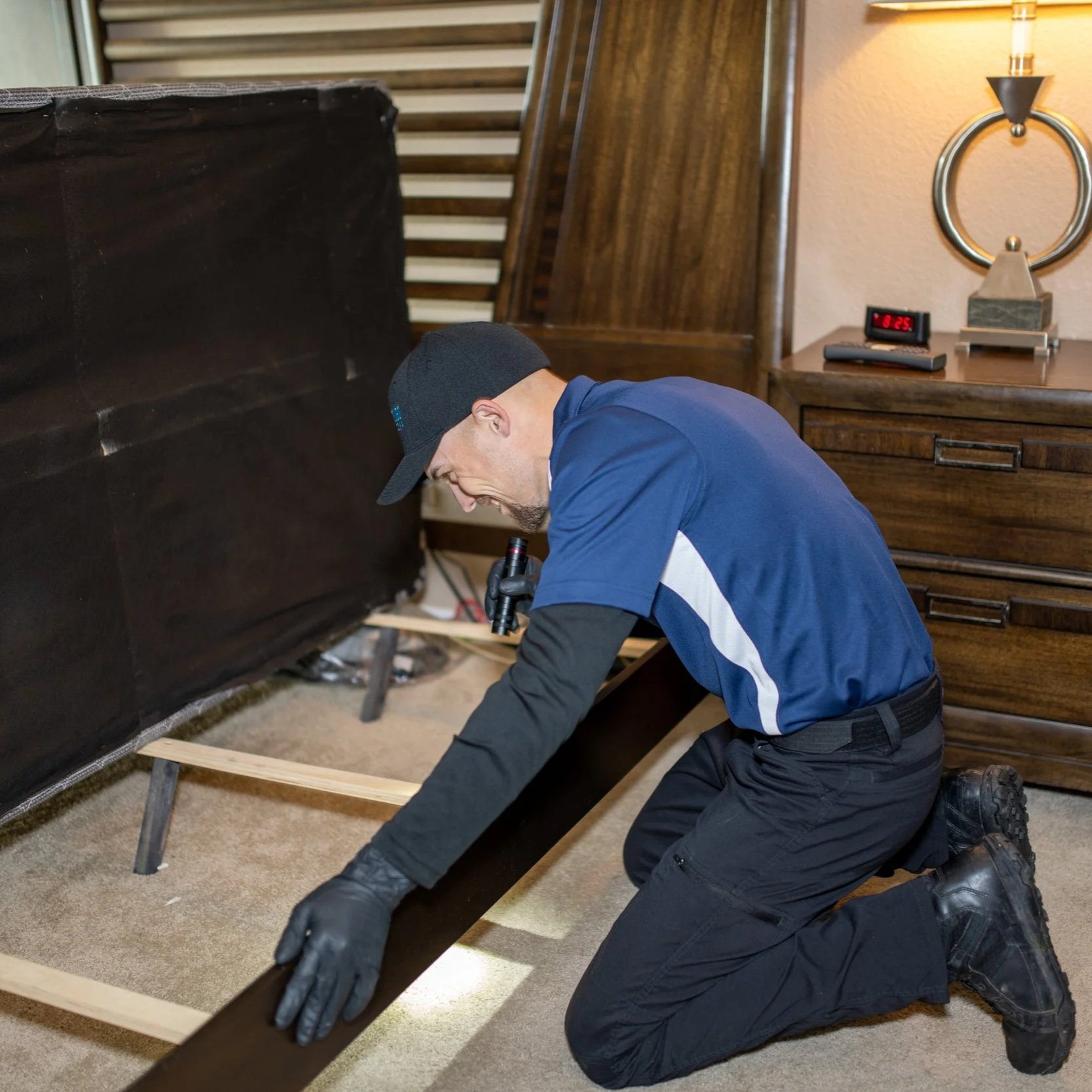
Taking swift action and making some smart decisions can help stop an infestation from spiraling out of control.
When bed bugs invade a home, it's easy for panic to set in. The idea of these tiny pests scurrying around and reproducing at a rapid pace can make anyone anxious. However, the key to dealing with bed bugs lies in keeping them from spreading further throughout your home. Taking swift action and making some smart decisions can help stop an infestation from spiraling out of control.
Take Immediate Action at the First Signs of Bed Bugs
One of the most important steps in preventing the spread of bed bugs is acting quickly. If you notice bites or signs of bed bugs in your home, don't wait around. The longer bed bugs have access to a home, the more time they have to multiply and scatter. Early detection allows you to stop them before they start moving freely throughout your house.
Once you spot any signs of bed bugs, call a pest control professional right away. A technician can help assess the severity of the situation and recommend a course of treatment. Acting early can help reduce the number of treatments necessary and prevent bed bugs from infiltrating more areas of your home.
Isolate the Infested Area
To keep bed bugs from spreading to other parts of your home, it's essential to isolate the area where the infestation is most prominent. If you find bed bugs in your bedroom, avoid moving furniture or clothing from that room to other areas. Moving infested items can unintentionally spread bed bugs to other rooms. Instead, keep everything contained. Place any clothing or bedding in sealed plastic bags to limit the possibility of transporting bed bugs throughout your home.
Sealing off the area where the infestation is located can also help prevent bed bugs from traveling to other rooms. For example, closing the bedroom door and using towels or blankets to seal the cracks around the bottom of the door can help limit the spread of bed bugs. Don't forget to check behind baseboards, under furniture, and inside small crevices in the room. These are common places where bed bugs like to hide.
Vacuum Thoroughly
Bed bugs thrive in areas that are cluttered or poorly maintained. Vacuuming your home, especially in the areas where bed bugs frequently hide, is a great way to reduce the spread of the infestation. Focus on areas where bed bugs like to hide, such as seams in mattresses, cracks in the furniture, and the edges of carpets. Don't forget to check inside dressers, drawers, and closets, as well.
Once you've finished vacuuming, don't leave the bag inside your home. Immediately dispose of the vacuum bag or container outside of the house. This will prevent any bed bugs from crawling back into your home. If you use a vacuum with a canister, clean it thoroughly to avoid accidentally reintroducing bed bugs to your living space.
Clean All Bedding and Clothes
Washing and drying clothing, bedding, and linens on high heat is an efficient way to kill bed bugs and their eggs. Bed bugs can't survive in temperatures above 120°F, so throwing your laundry in the dryer on a high heat setting for at least 30 minutes is a simple and effective way to kill them. If you have bedding, sheets, or other items that can't be washed, putting them in the dryer on high heat will help eradicate the pests.
For items that can't be washed, consider sealing them in plastic bags and setting them in a hot, sunny spot for a few days to raise the temperature. Alternatively, using a bed bug-proof mattress cover can also protect your bedding from future infestations. Mattress covers are designed to trap any bed bugs inside and prevent them from escaping.
Don't Move Infested Items Around the House
If you've discovered a bed bug infestation in your bedroom, do not move infested items into other areas of your home. Moving infested furniture or belongings can spread bed bugs to new areas, making the problem even more difficult to manage. It's best to treat the affected area first before deciding what to do with any furniture or belongings.
If you must dispose of infested furniture, it's a good idea to mark it with a large "X" so that others know it contains bed bugs. Moving furniture without proper treatment can lead to the spread of the infestation.
Monitor the Home Regularly
After initial treatment, it's important to monitor the rest of your home for signs of bed bugs. They frequently hide in cracks, crevices, and other dark, warm places, making it easy for them to travel undetected to other rooms. By checking mattresses, furniture, and walls for new bites or signs of bed bugs, you can catch any resurgence of the infestation early.
Consider setting up bed bug interceptors under the legs of your bed and furniture. These simple traps can catch bed bugs as they try to climb onto your furniture, preventing them from making their way into your bed. Regular inspection and maintenance can help halt further issues.
Don't Bring Bed Bugs Back from Travel
Bed bugs are notorious for catching rides on clothing, luggage, and even electronics when you travel. If you've been away from home, whether for a business trip, vacation, or even a visit to a friend's house, check your belongings thoroughly before bringing them into your home. Upon returning, unpack your suitcase in an area that is far from your bedroom, like a garage or laundry room, to avoid bringing any unwanted guests inside.
Wash and dry your travel clothes on high heat right away. It's also wise to inspect your luggage for any signs of bed bugs. If you notice any signs, take immediate action by vacuuming the suitcase and treating it with heat to kill any bugs or eggs that may be hiding.
Work with a Pest Control Professional
Even with your best efforts, bed bugs can be tricky to eliminate. If you're dealing with an infestation, it's often best to consult with a pest control professional who has experience handling bed bugs. Pest control experts can examine the severity of the infestation, determine the best course of treatment, and eliminate the pests using methods that are both safe and effective. A professional treatment will typically involve heat treatment, pesticide application, or a combination of both to target bed bugs in all their hiding places.
With the right approach, bed bugs don't have to take over your home. By acting quickly, taking steps to contain the problem, and working with pest control professionals, you can stop the spread of bed bugs and protect your home from further infestation. Vigilance and quick response are the keys to stopping bed bugs in their tracks and reclaiming your living space.