

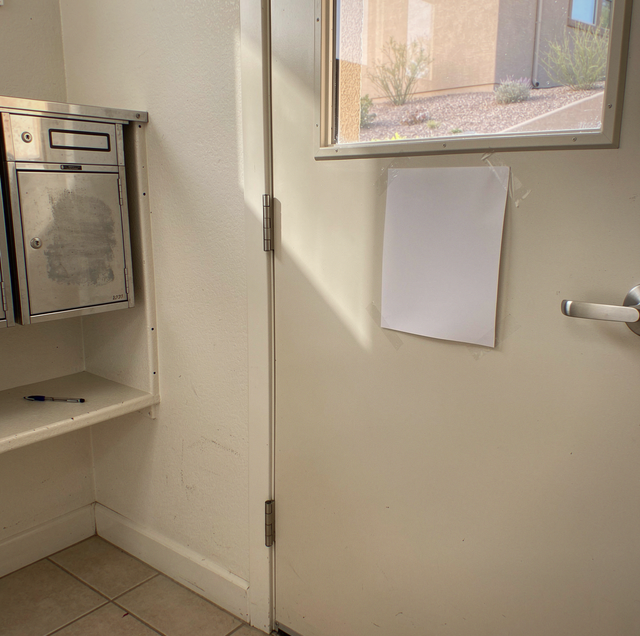
Three lines, taped inside the mailroom door at eye level: bed bugs have been reported in one unit, an inspection is being arranged, and questions go to the management office. Two residents stop at the mailboxes and read it at the same moment. One reaches for her phone to ask which unit it is. The other wonders whether his own place will be sprayed by Friday. Neither question can be answered from that sheet of paper, and the board that taped it up has a short list of things it can usefully do next.
What One Report Tells a Board, and What It Leaves Open
A single report tells the board that one household has seen what it believes is a bed bug or has woken up with unexplained marks. That is worth acting on. It is also less than it sounds.
The report does not confirm the presence of bed bugs. Bites alone cannot settle the question, and a speck on a sheet can turn out to be household dirt or another insect. Until someone with a flashlight has gone over the bed, the couch, and the furniture closest to where people sleep and sit, looking for live bugs, dark spots, eggs, and pale shed skins, the board is holding a concern, not a finding.
The report also says nothing about scale. One unit with a handful of bugs on a mattress seam and one unit with bugs in the nightstand drawers and behind the headboard are very different jobs, and the second can raise questions about neighbors that the first does not.
What the board can take from a single report is a task: get the reported unit looked at, keep the facts straight, and hold off on building-wide alarms until there is something to report.
Where the Board's Part Ends and Each Owner's Begins
In a rental apartment complex, a single owner or management company runs the units. A condo building runs differently. Each unit belongs to someone, and the treatment that unit gets is a decision its owner makes about their own home.
That leaves the board with a coordinating role. It can promptly and calmly pass a report to the owner, offer a contact for an inspection, keep one person on the board or the management side as the point of contact so information does not come from five directions, and ensure owners hear the same facts. None of that is something a bed bug specialist asks of a board. It is simply what keeps a building from running on rumor.
Questions about what an association is allowed to do, what it must tell owners, who pays, and what the building's own documents say belong with those documents or with an attorney. A bed bug company cannot answer for an association, and John will not try.
What John can speak to is the treatment itself. A condo or townhome gets the same treatment as a house: the whole unit, every room, all the furniture and the baseboards, applied by hand. The residual it leaves keeps working for several months, killing bed bugs at every stage, and a second visit follows about two weeks later. Everyone in the unit, pets included, stays out for 4 hours while it dries, and the owner sleeps in their own bed that night. Each owner's unit is its own whole-home job, and no owner next door should be told their home was covered because a neighbor's was.
Getting the Reported Unit Looked At First
The reported unit comes first because it is the only place anyone has seen anything. Inspecting it answers the questions everything else depends on: whether it's bed bugs, how established the problem is, and which rooms are involved.
The inspection is free and is done by John himself. He starts in the room where the owner has seen signs and works outward from there, without taking furniture apart. The owner hears the result on the spot, along with a plan if treatment is needed.
What the board can do before that visit is help the owner leave the unit alone. The pull to act is strong: drag the mattress out to the curb, move the couch to a storage room, empty the closets into the hallway, set off a bug bomb. Each of those can spread bugs to other rooms in the unit or to the building's shared spaces, and each one disturbs the evidence the inspection is meant to detect. A mattress is carried down the hall and through the lobby, passing every door along the way.
Once the inspection is done, the owner has facts the board can work from, and the board's next notice can say something real.
Owners on the Other Side of a Shared Wall
Shared walls are the reason a report in one unit raises questions next door at all. Bed bugs can reach an adjoining unit in a building where homes are joined, while a freestanding home in the same association has no such shared pathway and its risk comes only from what is carried through its own door.
Units beside the reported one are not reviewed by default; whether a neighbor gets an inspection depends on how bad the reported unit turns out to be and what the history of the surrounding units suggests.
For the board, that has two practical effects. The first is restraint. No owner next door needs to empty closets, strip beds, or plan a night away because the unit beside theirs had a report. A neighbor who has seen nothing is asked to do nothing yet.
The second is a fair hearing for the owner who has seen something. A neighbor who mentions bites, spotting on a sheet, or a bug on a pillow is a separate report, and it deserves the same handling as the first: their own inspection, their own decision. It should never be folded into the first owner's job, and no one should assume the two problems share a source until each unit has been looked at.
Telling Owners the Same Facts at the Same Time
The mailroom notice in the opening scene did one thing well: it gave everyone the same three lines. Trouble starts in the side conversations, where one owner hears the unit number from a neighbor and another hears that the whole building is about to be treated.
A short set of facts, shared once and kept consistent, does more than a long letter:
- What happened: A unit reported possible bed bugs, and that owner is arranging an inspection.
- What owners should not do: Move furniture between units or put mattresses or couches in the halls or outside.
- What to do if they see signs: Contact the board's point person, leave things where they are, and arrange their own inspection.
Timing follows the facts. A second update is worth sending once the inspection result is known, and it can be as short as the first: confirmed or not confirmed, and what owners should do in either case. Whether to name a unit is the owner's call to make with the board, and a notice can do its job without it.
What the Board Keeps on File Afterward
A board that handles one report well wants a record it can use if a second report comes in months later. That record does not need to be long, and it does not need to carry anyone's personal details beyond what owners chose to share.
The table below sets out a lean version that keeps the board's coordination separate from each owner's private dealings with the company.
| What to record | Why it helps later |
|---|---|
| The date of each report and which unit it came from | Shows whether later reports cluster or stand apart |
| The date each unit was inspected and the result the owner shared | Separates confirmed problems from false alarms |
| The board's notices to owners, with dates | Shows what owners were told and when |
| Any written report an owner chose to give the board | Gives a later inspection something concrete to start from |
An owner can ask John for a written report of what he found, and some owners will offer a copy to the board; others will keep it to themselves, and that is their right as the person who arranged the work.
The file also leaves out any guess about who brought the bugs in.
A board does not own the units, so it cannot fix the problem for the whole building, and it does not have to. Its value lies in getting the first unit looked at quickly, keeping all owners on the same set of facts, and leaving a clean record. The next time a three-line notice goes up in the mailroom, the board that did those things will already know what the fourth line should say.
Frequently Asked Questions
Yes. Several apartment complexes call him for their bed bugs, some of them for three to four years, and he has treated college dormitories as well. Buildings full of shared walls are a regular part of his work.
No. Neighbors find out only if the owner of that unit tells them. If the board wants to name a unit in a notice, the cleanest route is to ask that owner first and go with their answer.
It helps. John answers the household's questions before he starts looking, and only the person who saw the signs can say what was seen, where and when. A board member standing in for the owner cannot give him that first-hand account.
It can be impossible to say. Bed bugs get picked up in a doctor's office, a restaurant, a hotel, or a visitor's bag, and they reach a building on whoever happened to sit or stay in the wrong spot. An inspection shows where bugs are now, which is a different question from where they first came in.
Yes. It is licensed and insured and carries general liability coverage, so a board that keeps vendor details on file can note both beside the visit date.
No. Bed bugs are the only pest he treats. Buildings that call him for bed bugs keep their regular pest company for everything else.
Reach John about the unit an owner just reported — the owner's free inspection gives the board real findings to share in place of a rumor in the mailroom. Bed Bugs Arizona serves Phoenix and towns across Arizona. Call 623-451-0541.