

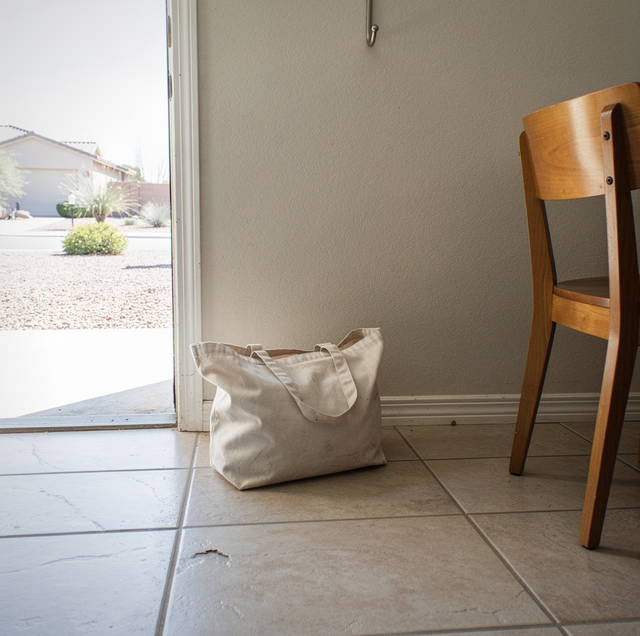
Every weekday the doorbell rings at eight, and the same aide steps in with a canvas tote over one shoulder. By lunchtime that bag will have rested in two or three other front halls, and by the end of the day in a few more. For a household that has just read about bed bugs, the route can start to look like a daily risk of walking through the door. It can be one, in a modest way. The useful response is about where the bag spends the next hour, and it entirely leaves the person carrying it out of the question.
Why Any Regular Visitor Can Carry Bed Bugs
Bed bugs cannot fly or jump. They crawl, and between meals they pack themselves into narrow, dark places: seams, folds, pockets, the track of a zipper, the stitching where a strap meets a bag. A bag or a jacket that rested against an infested couch or bed for a while can leave with a bug tucked into one of those places, and the bug rides along to wherever the bag goes next. They travel on belongings, not on skin.
That route is open to anyone who comes through the front door. A relative who stops by after work, a friend who stays for coffee, a neighbor returning a dish and a repair visit all bring bags, coats and seats into the picture. A household also brings bed bugs home on its own things, from a waiting room, a restaurant booth or a trip. Picking them up is easy, and having them is nobody's fault, on either side of the door.
A bug that drops off a visitor's bag in the hall has not yet started an infestation. It still has to reach a bed, a couch, or a chair where someone rests for long periods, find its way into a seam near that person, and feed. Every one of those steps depends on where the bag sat and what was within reach of it.
What Daily Visits Carry In and Out
An overnight guest and a home health aide bring very different patterns into a home. The guest's suitcase spends a whole night in one place, and that place is a bedroom, close to a bed. The aide's bag spends an hour or two at a time, and for much of the visit it sits in a hall, kitchen, or living room.
Against that, the aide's visits recur, and the bag has passed through other homes the same day before reaching yours. So the exposure comes in shorter stays, more of them, from more places. Neither pattern adds up to a figure anyone can honestly put on it. What the comparison shows is that a daily visitor carries a real chance of bringing a bug in, a modest one, and no reason to treat that person differently from anyone else who walks in with a bag.
The same route runs the other way. Whatever a bag picks up inside this home leaves with it at the end of the visit, so a sensible spot for the bag protects the next household on the aide's list as much as this one.
Raising It Without Blame
The conversation is easier than it sounds, because it does not need to be about bed bugs at all. A household that sets up a landing spot for every visitor's bag and coat has a house habit, and that habit applies to the aide in the same way it applies to a grandchild or a friend. Pointing to the spot on the first morning is enough.
Some home care workers already keep their bags off soft furniture or carry supplies in a lidded plastic tub as part of their routine. A spot set aside by the door saves them from choosing one.
What stays out of the conversation matters as much. Questions about the other homes on the aide's route, requests to look through the bag, and clothing suggestions all turn a house habit into an accusation, and none of them tells a household anything useful. Bed bugs reach every kind of home, the aide's included, and a person who visits several homes a day has done nothing wrong by doing the job. If bed bugs ever do turn up in the house, a single find cannot say whose bag, coat, or trip brought them in.
Where the Aide's Things Can Sit During Visits
The aim is a spot with hard, smooth surfaces, close to the entry and away from the places people sleep or rest. A side table, a wooden or metal chair, or a bare stretch of tile floor all work. Keeping it the same at every visit matters for a daily visitor, since a bag with a known place does not wander onto whatever surface is nearest.
The habits worth watching for are few, and they apply to every visitor:
- A bag set down on a bed, a sofa cushion or a padded armchair
- A jacket laid across an upholstered seat or the end of a bed
- A padded fabric seat that a visitor uses for paperwork or a long conversation
None of these is a sign of bed bugs. Each one simply puts a visitor's belongings in touch with the fabric where bugs rest, and each one has an easy alternative. Offering a hard dining chair for paperwork takes care of the last item without a word of explanation.
Clear the landing spot before the first visit of the day so it is empty when the door opens. A spot already holding mail or a folded throw gets skipped, and the bag ends up on the nearest cushion.
The care itself happens wherever it needs to happen. A bag may need to come into a bedroom for a few minutes when a supply is needed, and that is fine. The landing spot is about where the bag waits, which is the bulk of the visit.
When the Home Needs an Inspection
Among the earliest signs a household notices are bites and small blood spots on the sheets. Bites alone cannot determine whether bed bugs are present, since other causes leave similar marks; the spots, dark specks along a mattress seam, or a small brown bug in a fold are what make a call worth placing. Anyone with a strong skin reaction should see a health care provider.
When something like that turns up, leave it where it is, keep the bed and the furniture as they are, and call. John does the free inspection himself; it carries no obligation to book anything, and he tells you plainly what he found, including when it turns out to be something other than bed bugs. A household does not need to be sure before calling: a recurring worry is reason enough to ask for a look.
If bed bugs are confirmed, the treatment is a whole-home job with a second visit about two weeks later, and the aide's visits can continue around it.
Care that arrives every morning is the reason the door opens, and nothing about bed bugs changes that. A fixed spot for the bag, a hard seat for paperwork, and an eye on the sheets cover what a household can do on its own. Anything beyond that is a question for an inspection, not for the person who comes to help.
Frequently Asked Questions
Less well than a bare one. If the bench has a removable seat pad, lifting it off and putting it away for as long as the visits continue leaves a plain wood or metal top, and that makes a better landing spot than any padded surface.
It puts the jacket shoulder to shoulder with the household's own coats, and those coats then go out on the household's errands. A single hook on a bare wall near the door keeps a visitor's jacket touching nothing but the wall, which makes it the cleaner choice.
Its wheels meet every floor of the day, but what matters is where it rests during the visit. Parked upright on bare floor by the door, with the handle down and nothing leaning against it, a rolling bag keeps its fabric sides away from every seat in the room.
Far enough to matter. A bug that leaves a bag can cross a floor and climb a wall or a chair leg, so an hour is enough for it to reach a nearby couch or armchair. That is the reason to keep the landing spot well apart from upholstered seating, and not only off it.
Fewer visits mean fewer chances, but where the bag rests weighs more than how often it comes. A weekly visitor whose bag goes on the sofa every time can give a bug a better opening than a daily visitor whose bag always waits on a bare table by the door.
The treatment day has been agreed with you, so the regular visit times should be part of that conversation from the start. Saying on the call that someone comes in every weekday morning lets the day be set around that visit and not on top of it, and the same goes for a weekly nurse or therapist.
Mention the visitor routine when you call — John's free in-home inspection looks over the beds and seats where people rest and says whether bed bugs came in. Bed Bugs Arizona serves Phoenix and towns across Arizona. Call 623-451-0541.