
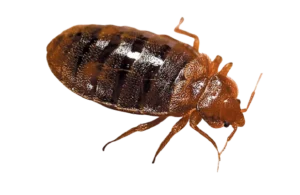
Finding bed bugs early can make a big difference. A small infestation is much easier to manage than one that has had time to spread through multiple rooms, furniture pieces, or units in a building. The challenge is that bed bugs are very good at staying hidden, especially in the early stages. They are also often mistaken for other household pests, which can delay proper treatment.
If you think you may have bed bugs, it helps to know what signs to look for and where these pests like to hide.
Do Not Rely on Bites Alone
Many people first suspect bed bugs because of bites, but bites alone are not a reliable way to identify an infestation. Bed bug bites can look similar to flea bites, allergic reactions, or other skin irritations. Some people have a strong reaction, while others may not react at all.
That is why it is important to look for physical evidence in addition to any bites or skin irritation.
Common Signs of Bed Bugs
One of the clearest ways to identify bed bugs is to inspect your sleeping area and nearby furniture for visible signs. Common signs include:
- Rusty or reddish stains on sheets or mattresses from crushed bed bugs
- Small dark spots that may be bed bug droppings
- Tiny pale eggs or eggshells
- Shed skins from immature bed bugs
- Live bed bugs hiding in seams, cracks, or crevices
Even spotting one live bed bug should be taken seriously. These pests do not usually travel alone, so a single sighting may indicate a larger problem nearby.
Where Bed Bugs Like to Hide
Bed bugs usually stay close to where people sleep and rest, especially at the beginning of an infestation. Start by checking areas around the bed, including:
- Mattress seams and tags
- Box spring edges
- Bed frames and headboards
- Cracks in nearby furniture
- Baseboards around the bed
As an infestation grows, bed bugs can spread far beyond the mattress. They may also hide in couches, chairs, curtain folds, drawer joints, behind loose wallpaper, inside electrical outlets, around appliances, and in tiny cracks that are easy to overlook.
Because they can fit into very small spaces, bed bugs are easy to miss during a quick inspection.
Bed Bugs Are Often Mistaken for Other Pests
Another challenge is that bed bugs can sometimes be confused with other insects. Homeowners may mistake them for carpet beetles or other small household bugs, which can delay proper treatment. Correct identification is important because the wrong approach can allow the infestation to grow.
When to Check for Bed Bugs
There are certain times when it makes sense to be extra cautious. You should inspect for bed bugs when:
- Changing bedding
- Cleaning around beds or upholstered furniture
- Returning home from travel
- Bringing secondhand furniture into the home
- Noticing unexplained stains or dark spotting near sleeping areas
Travel and used furniture are two common ways bed bugs are introduced into a home, so checking carefully after either situation can help you catch a problem sooner.
Why Professional Identification Matters
It is easy to miss the early signs of bed bugs or misidentify what you are seeing. Unfortunately, that gives the infestation more time to spread. A professional inspection can confirm whether you are dealing with bed bugs and determine how far the problem has gone.
Know the Signs and Act Quickly
Bed bugs are difficult to spot, but the evidence they leave behind can help you catch an infestation before it gets worse. If you notice reddish stains, dark spotting, shed skins, eggs, or live bugs around your bed or furniture, it is best to act quickly.
At Bed Bugs Arizona, we provide free, no-obligation in-home inspections and professional treatment designed to address bed bug problems at the source. Our Pro-Treat Plus treatment is made to target bed bugs in all life stages and create a protective barrier that helps deter them from returning. If you think you may have bed bugs in your home, call us today at (602) 962-8806 to schedule your inspection and get the peace of mind you need.